
In This Article
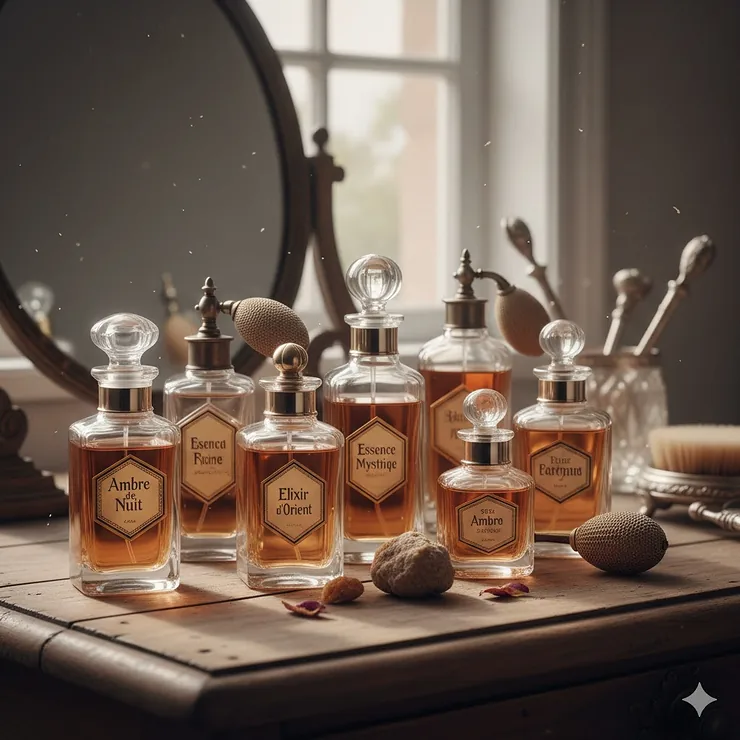
Vintage perfumes that used ambergris are classic fragrances, mostly made before the 1980s, whose formulas relied on natural ambergris as a fixative and base note. Ambergris is a waxy, aged secretion from sperm whales, and it adds a warm, salty-sweet, skin-like glow. Most modern bottles swap it for synthetics, so old and new versions of the same name can smell startlingly different.
Picture a sealed extrait from the 1960s. The bright top notes may have faded decades ago, but the base can still rise like warm skin after a day on the beach: sweet, faintly smoky, a little animal. That effect is why collectors chase vintage perfumes that used ambergris. Few materials in perfumery are stranger. Wikipedia’s ambergris entry describes a waxy substance formed in the digestive system of sperm whales. Only an estimated one percent of them produce it, and it can float at sea for years before reaching shore.
Here is the catch. Perfume houses rarely published full formulas, so some “ambergris” claims are documented and some are collector lore. This guide separates the two and says so plainly for each pick. You’ll get seven classics, a plain-English reading of what their notes mean on skin, and a buying framework that protects your wallet. All prices are ranges only, because they change constantly, so check current prices before you buy.
Quick Comparison: Vintage Perfumes That Used Ambergris at a Glance
| Perfume | Launch & House | Ambergris Evidence | Best For |
|---|---|---|---|
| Shalimar | 1920s, Guerlain | Listed in vintage note breakdowns | Vanilla lovers who want depth |
| Arpège | 1927, Lanvin | Described as a base note in archive write-ups | Fans of elegant, powdery florals |
| Tabac Blond | 1919, Caron | Listed among its notes by fragrance databases | Leather and tobacco seekers |
| Émeraude | 1921, Coty | Widely reported, not formally confirmed | Budget amber hunters |
| Miss Dior | 1940s, Dior | Widely reported, not formally confirmed | Chypre devotees |
| Old Spice | Late 1930s, Shulton | Widely reported, not formally confirmed | Nostalgic, budget-minded buyers |
| Alyssa Ashley Ambergris | c.1975, Houbigant line | Named for the material; contents unverified | Curious collectors |
Look at the evidence column before the glamour. Shalimar, Arpège and Tabac Blond have the strongest paper trail, so they suit anyone who wants the ambergris effect most reliably. Émeraude, Miss Dior and Old Spice are cheaper entry points where the ambergris story rests on reputation. Alyssa Ashley Ambergris is a curiosity, best bought for the story rather than for proof.
💬 Just one click — help others make better buying decisions too!😊
Top 7 Vintage Perfumes That Used Ambergris: Expert Analysis
Amazon listings mostly carry current formulations, and true vintage bottles live on the secondary market. Each entry below therefore tells you what the original was like and what to look for today.
1. Shalimar — the benchmark for ambergris-laced vanilla
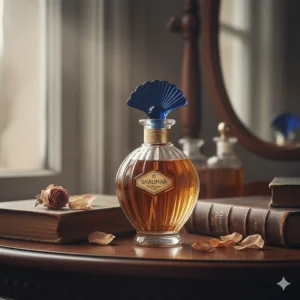
Few perfumes define the genre like Shalimar by Guerlain. It was created in the early 1920s and presented at the 1925 Paris Art Deco exhibition. Fragrance writers list ambergris in its vintage base alongside civet, opoponax, vanillin, tonka bean, coumarin and Peru balsam.
On skin, that stack means vanilla that doesn’t turn syrupy. The ambergris and animalic notes add a mossy, salty undertone that keeps the sweetness grown-up. Reviewers consistently say vintage bottles smell denser and more animalic, while current ones read brighter and cleaner. For vintage hunters, the parfum (extrait) concentration is repeatedly recommended as the best window into the original.
Based on the notes, Shalimar suits anyone who likes oriental perfumes with some dirt under the fingernails. It is not an “easy” scent, and its powdery sweetness divides opinion.
Pros:
- ✅ Layered vanilla, incense and amber base
- ✅ Strong longevity, especially in extrait
- ✅ Well-documented history for dating bottles
Cons:
- ❌ Powdery sweetness can feel heavy
- ❌ Modern versions lack vintage animalic depth
Price range: roughly $110-$160 for a 90 ml eau de parfum, and $350-$425 for a 30 ml parfum at the time of research. Value verdict: the eau de parfum is the sensible daily wearer, while the extrait is a splurge for purists.
2. Arpège — the floral that rests on a whale-sized base
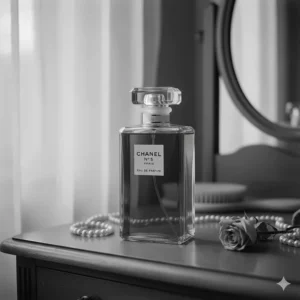
Arpège by Lanvin arrived in 1927, composed by André Fraysse and Paul Vacher. Archive write-ups describe more than sixty natural ingredients, with ambergris giving the floral bouquet a soft, dreamlike foundation. Think of it as a ballroom full of jasmine and rose held together by an invisible hand.
The practical meaning is polish. Aldehydes sparkle on top, florals bloom in the middle, and the base hums rather than shouts. Perfume critics note that Arpège has had distinct lives. The early version was a glamorous aldehydic floral, while later bottles read differently. That makes the production era matter more here than the label.
Who is it for? Anyone who finds modern florals flat and wants one with architecture. Because the evidence for ambergris comes from archive-style write-ups rather than a published formula, treat it as well-supported but not lab-confirmed.
Pros:
- ✅ Sophisticated floral-aldehydic structure
- ✅ Long-lasting powdery drydown
- ✅ Beautifully made vintage packaging
Cons:
- ❌ Newer bottles smell noticeably different
- ❌ Aldehydes can feel “perfumey” to some
Price range: mid-range for current bottles, roughly $50-$110 depending on size; vintage extrait varies widely. Value verdict: buy modern to learn the structure, vintage if you want the original base.
3. Tabac Blond — leather, smoke and a salty-sweet whisper
Caron launched Tabac Blond in 1919, created by founder Ernest Daltroff for the new, modern woman. Fragrance databases list leather, carnation, iris, vetiver, ylang-ylang, cedar, patchouli, vanilla, ambergris and musk. Caron’s own page stresses leather, iris and cedar, and notes there is a “before and after” in the formula’s history.
For you, that means a tobacco-leather perfume softened by powder and warm resins. The ambergris and musk smooth the edges so the leather feels like worn gloves rather than a new saddle. Perfume communities repeatedly single out vintage extrait as unlike any modern formulation, and one well-known vintage list says that if you spot a vintage bottle, grab it.
This one is for people who already know they love leather. If you want pretty, look elsewhere.
Pros:
- ✅ Distinctive leather-and-smoke character
- ✅ Gender-fluid, with enchanting ambivalence
- ✅ Vintage extrait highly prized by collectors
Cons:
- ❌ Spicy carnation can feel sharp
- ❌ Premium pricing for current extrait
Price range: premium, roughly $200+ for current extrait; verify current pricing. Value verdict: worth it if leather is your lane, otherwise sample first.
4. Émeraude — Coty’s amber-vanilla budget classic
Émeraude was launched by François Coty in 1921 and became a staple of vintage dressing tables. It is often named among classics “thought to have once used ambergris,” a phrase that signals reputation rather than a published formula. I found little verifiable, ambergris-specific reviewer commentary, so treat this one as collector lore.
What you can rely on is the broader context. Coty’s amber-oriental perfumes of the period leaned on vanillin and balsamic materials, which give a creamy warmth that many people associate with ambergris. If you love that “grandmother’s powder room” amber, Émeraude is a gentle way into it.
It’s best for budget-minded buyers who want the vintage mood without the extrait price tag. Just note that availability is inconsistent, so check listings carefully.
Pros:
- ✅ Accessible entry to vintage amber style
- ✅ Warm, creamy, powdery character
- ✅ Historic Coty pedigree
Cons:
- ❌ Ambergris claim is unverified
- ❌ Inconsistent availability and formulas
Price range: budget, often under $40 when available. Value verdict: fair for the mood, not for the ambergris claim.
5. Miss Dior — the original chypre with a legendary reputation
The original Miss Dior from the 1940s is a chypre, a family built on mossy, resinous depth. It also appears on lists of classics thought to have once used ambergris, which again is reputation rather than proof. Dior has reused the name on other fragrances, so check the label carefully for the original chypre, often marked “Originale.”
On skin, a chypre like this reads as green, mossy and slightly bitter at first. Then the base warms into something resinous and smooth. If ambergris was in the mix, its job would have been to round off those edges and make the dry-down cling.
Who should buy it? People who enjoy structured, grown-up perfumes with a mossy twist. Verifiable review detail on ambergris is thin, so the real draw is the chypre craft.
Pros:
- ✅ Elegant mossy chypre structure
- ✅ Distinguished Dior heritage
- ✅ Long, smooth dry-down
Cons:
- ❌ Confusing name reuse across Dior lines
- ❌ Ambergris claim unverified
Price range: roughly $90-$160 for current bottles; vintage varies. Value verdict: buy the correct edition, and check the label first.
6. Old Spice — the surprise on the list
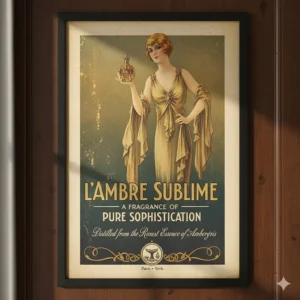
Yes, Old Spice. The classic men’s fragrance, launched in the late 1930s, also shows up among the perfumes “thought to have once used ambergris.” That reputation is intriguing but unconfirmed, so call it a plausible rumor.
What matters for you is the drydown: warm spice, soft resins and an amber-musk finish. That profile fits the era’s use of fixatives, and a cheap bottle is the easiest way to test whether you enjoy warm, old-school bases at all. It’s the “try before you invest” pick.
It’s best for beginners who want a low-risk taste of the vintage style. Nostalgia is the main review theme, and no ambergris-specific verification exists that I could confirm.
Pros:
- ✅ Extremely affordable
- ✅ Widely available
- ✅ Warm spicy-amber dry-down
Cons:
- ❌ Ambergris claim unverified
- ❌ Modern formula differs from original
Price range: budget, typically under $20. Value verdict: excellent as a gateway, limited as a collector’s piece.
7. Alyssa Ashley Ambergris — the collector’s curiosity
Alyssa Ashley Ambergris dates to about 1975 and sits in the drugstore-to-department-store tier of vintage collecting. Vintage-fragrance bloggers caution that Houbigant Ambergris and Monsieur Musk are two different fragrances, which is a useful reminder to check labels.
The name signals the material, but I could not verify that real ambergris was in the formula. What you are paying for is a period-specific musk-amber profile and a piece of 1970s perfume culture. It sits near the vintage musk-oil boom, which pushed secondary-market prices up.
It’s a pick for collectors who enjoy the hunt more than a guaranteed result.
Pros:
- ✅ Interesting 1970s collectible
- ✅ Amber-musk profile
- ✅ Affordable versus big-house extraits
Cons:
- ❌ Contents unverified
- ❌ Secondary-market only, with variable condition
Price range: highly variable on the secondary market, roughly $20-$80. Value verdict: fun, but never pay a premium for the ambergris claim alone.
Side-by-Side: How the Seven Compare
| Perfume | Family | Best Format | Price Range | Reviewer Consensus | Best For |
|---|---|---|---|---|---|
| Shalimar | Oriental vanilla | Parfum | $110-$425 by format | Vintage denser, modern brighter | Depth seekers |
| Arpège | Aldehydic floral | Vintage extrait | $50-$110 current | Eras differ widely | Floral purists |
| Tabac Blond | Leather | Vintage extrait | $200+ current | Vintage prized | Leather fans |
| Émeraude | Amber oriental | Any vintage | Under $40 | Limited verifiable data | Budget buyers |
| Miss Dior | Chypre | Original edition | $90-$160 | Check edition | Chypre lovers |
| Old Spice | Spicy amber | Current bottle | Under $20 | Nostalgic | Beginners |
| Alyssa Ashley Ambergris | Amber musk | Sealed vintage | $20-$80 | Collector curiosity | Hunters |
The pattern is clear. Shalimar, Arpège and Tabac Blond earn their reputations on documentation and reviewer consensus, so they justify higher prices. Émeraude, Miss Dior, Old Spice and Alyssa Ashley Ambergris are lower-risk because they cost less, but their ambergris stories are less certain.
What Is Ambergris and Why Did Perfumers Prize It?
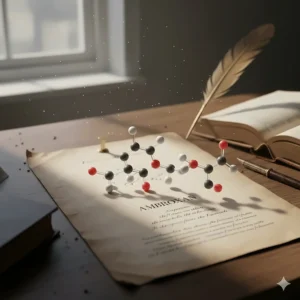
Ambergris is a solid, waxy, flammable substance produced in the digestive system of sperm whales. Its name comes from the French “ambre gris,” or grey amber. Freshly expelled, it can smell fecal. After years of oxidation in sunlight and salt water it matures into a sweet, marine, tobacco-like material. The V&A Museum’s history notes that lighter-colored ambergris is typically the sweeter-smelling kind.
For perfumers, the appeal was fixation. Ambergris slows the evaporation of other ingredients, so a perfume lingers on skin and fabric for hours. It also added a soft, radiant quality that is hard to fake. Historical accounts trace its perfumery use to Muslim Spain in the 10th century, and one source says it was used in perfume from the 1600s until well into the 20th century.
Rarity drove the economics. Because it is found by chance rather than farmed, it has always been scarce and expensive, and perfumers eventually turned to chemistry. Industry literature notes that today’s fragrances use ambergris derivatives and specialties rather than the natural material. That history explains why vintage perfumes that used ambergris occupy a special place in the collecting world.
How to Choose Vintage Perfumes That Used Ambergris
- Prioritize documented evidence. Favor perfumes with note lists or archive write-ups naming ambergris over those with only reputation behind them.
- Choose the concentration deliberately. Extrait carries the heaviest base notes, which is where ambergris lives.
- Check the era. One respected fragrance writer advises assuming no natural ambergris in modern bottles unless they were made before the 1980s or advertise it. Date your bottle first.
- Inspect condition. Look at color, fill level and the seal. Darkened, evaporated juice is a warning sign.
- Sample before you commit. Vintage reactions vary with skin chemistry and bottle age.
- Match the scent family to your taste. Ambergris reads differently in a vanilla, a leather or a floral, so pick the family you already love.
- Set a budget ceiling. Never pay extra purely for an unverified ambergris claim.
Follow those seven steps and you will avoid most of the traps that catch new collectors.
Vintage vs Modern Reformulations: What Actually Changed?
Reformulation is the elephant in every collector’s room. Regulations restricted materials such as certain citrus and oakmoss, sourcing changed, and ethical concerns around natural animalics grew. One reviewer summed it up neatly. Modern bottles are often good perfumes, but they are thinner and less radiant than their predecessors.
| Feature | Vintage Original | Modern Reformulation | Best For |
|---|---|---|---|
| Ambergris content | Natural, in many cases | Typically synthetic substitutes | Authenticity seekers vs daily wearers |
| Density | Rich, heavy | Lighter, cleaner | Depth vs ease |
| Longevity | Very long in extrait | Moderate to long | Evening vs everyday |
| Availability | Secondary market | Retail and online | Collectors vs casual buyers |
| Price range | Variable, often higher | Mid-range | Budget-conscious shoppers |
The practical takeaway is that modern bottles teach you the structure, while vintage bottles teach you the soul. If you’re unsure, buy a current eau de parfum first and graduate to vintage extrait once you know the family suits you. That path costs less and keeps disappointment low.
✨ Ready to start your collection? 🔍 Browse the highlighted bottles above to check current pricing and availability, and use the buying framework before you commit.
Features That Actually Matter (And Those That Don’t)
Marketing language loves “rare,” “legendary” and “whale-derived.” Here’s how to filter it.
Matters:
- ✅ Concentration (extrait over eau de toilette for base notes)
- ✅ Bottle condition and storage history
- ✅ Production era
- ✅ Documented note lists
Doesn’t matter as much:
- ❌ The word “ambergris” in a seller’s description without evidence
- ❌ Box and packaging unless you collect for display
- ❌ A famous name alone
Ambergris is a base-note effect, so it only shows after the first hour. Judge a vintage bottle by its drydown, not its first spritz. Top notes in old bottles often fade or oxidize, so a harsh opening isn’t necessarily a dealbreaker. The base is where you’ll find out whether the bottle delivers.
Common Mistakes When Buying Vintage Perfumes That Used Ambergris
- Trusting the label alone. Names get reused. Confirm you have the original edition, as with Miss Dior.
- Assuming all vintage equals ambergris. Many vintage bottles contain none.
- Ignoring condition. Heat and light spoil juice. One buyer reported a camphorous opening on a vintage bottle and wondered whether it had turned, which is a warning to test cautiously.
- Overpaying for rumors. Reputation isn’t a formula.
- Skipping samples. A decant costs a fraction of a full bottle.
- Confusing similar names. Collectors warn, for example, that Houbigant Ambergris and Monsieur Musk are different fragrances.
Avoid these six mistakes and you will already be ahead of most beginners.
Legal, Ethical and Safety Guide
Ambergris law is messy. In some countries trade is legal, while in the United States, whale conservation sources note that sperm whales are endangered, making trade in ambergris unlawful under the Marine Mammal Protection Act and the Endangered Species Act. Wikipedia also notes that naturally excreted ambergris is not covered by CITES, which shows how patchy the rules are.
For a buyer, the practical point is simple. Don’t buy raw ambergris from the web. Vintage finished perfumes are a different matter, but rules vary by country and seller, so confirm local regulations before importing anything. On ethics, ambergris collected from the sea does not require killing a whale, although historical whaling certainly did.
On safety, vintage perfume can contain allergens and degrade over time. Patch test on the inner arm, and stop if you see irritation. If any of this is a deal breaker, the synthetic-amber route (ambroxan-style accords) gives a similar warmth without the legal questions.
Real-World Scenarios: Which Bottle Fits Which Buyer
Scenario 1: The curious beginner with a $50 budget. You want to understand why people rave about vintage amber. Start with a current Old Spice or an affordable Émeraude, then sample a Shalimar decant before deciding on a larger purchase.
Scenario 2: The leather-and-smoke fan with a $250 budget. You already own modern leather fragrances and want depth. Prioritize Tabac Blond in extrait, and keep a small buffer for a possible second bottle if the first disappoints.
Scenario 3: The floral lover who wears perfume to weddings and dinners. Reach for Arpège or the original Miss Dior. Both offer structured, elegant drydowns that suit evening wear and photograph well in nostalgic styling.
In each case, the logic is the same. Match your budget, the scent family and your tolerance for risk to the evidence level of the bottle. A cautious buyer picks documented names; an adventurous one hunts rarer, less certain finds.
Practical Buyer’s Guide: Inspecting and Storing Vintage Bottles
- Inspect the juice. Darker than expected is common, but cloudy or sludgy isn’t.
- Check the seal and fill level. Low fill suggests evaporation.
- Date the bottle. Use packaging and batch cues, and remember that modern bottles list allergens, which helps separate old from new.
- Test sparingly. Put a small amount on skin and wait through the drydown.
- Store cool and dark. Heat and light are the enemies.
- Keep the cap tight. Oxygen speeds up deterioration.
- Use it. Perfume stored forever isn’t enjoyed.
A word on extrait: because it’s a concentrated formula, it tends to hold its base better than lighter concentrations, which is why collectors lean on it for the ambergris effect.
Problem and Solution Guide for New Collectors
Problem 1: “It smells nothing like I remember.” Solution: you likely have a reformulated version. Seek an older extrait, or accept the modern take as a different interpretation.
Problem 2: “The top notes smell off.” Solution: wait through the drydown. If the base is still harsh or camphorous, the bottle may have degraded.
Problem 3: “It’s too animalic for me.” Solution: move toward softer entries like Arpège rather than Shalimar or Tabac Blond.
Problem 4: “I can’t afford extrait.” Solution: buy a current eau de parfum or a decant of the vintage version.
Problem 5: “I’m worried about ethics or legality.” Solution: choose modern synthetic-amber fragrances and skip the raw material entirely.
Long-Term Cost and Maintenance of a Vintage Collection
Collecting is cheaper than it looks if you plan. Start with a small decant budget, because mistakes are expensive at full-bottle prices. Extrait prices run higher, but you use fewer sprays per wear, so cost per wear can be lower than a larger eau de toilette.
Maintenance is straightforward. Keep bottles upright, cool and dark, and avoid bathrooms. Rotate your wears rather than saving everything for a special occasion. Budget for the occasional dud, because even careful buyers meet a spoiled bottle sooner or later.
Value also depends on documentation. Original boxes help resale, but a rare formula matters more than packaging. Be wary of anything priced as an investment, because perfume markets are unpredictable and condition matters enormously.
FAQ: Vintage Perfumes That Used Ambergris
❓ Where can I buy vintage perfumes that used ambergris safely?
❓ Do modern perfumes still contain natural ambergris?
❓ What does ambergris smell like in perfume?
❓ Is vintage extrait better than modern eau de parfum for ambergris?
❓ Is it legal to import perfumes containing ambergris into the US?
Conclusion: Choose the Documented Classics First
Vintage perfumes that used ambergris are time capsules. Shalimar, Arpège and Tabac Blond have the strongest paper trails, and each rewards the patient buyer with a base that modern formulas struggle to match. Émeraude, Miss Dior and Old Spice are lower-risk entry points where the ambergris story rests on reputation. Alyssa Ashley Ambergris is a charming wildcard for collectors.
The smartest path is the cheapest one. Sample first, learn which family you love, then step up to vintage extrait if the budget allows. Check condition, confirm the era and never pay extra for an unverified claim. If the ethics or legality of ambergris bother you, modern synthetic-amber perfumes deliver much of the warmth without the baggage.
Whichever way you go, remember that the best vintage perfume is the one you actually wear.
✨ Don’t Miss These Exclusive Deals!
🔍 Take your vintage perfume collection to the next level with these carefully selected classics. Click on any highlighted item to check current pricing and availability. These bottles will help you create authentic, memorable scent moments you’ll love!
Recommended for You
- Ambergris Perfume: 7 Best Scents Worth Buying in 2026
- Plumeria Fragrance Perfume: 7 Stunning Picks Ranked (2026)
- Mimosa Perfume: 7 Stunning Scents Worth Buying in 2026
Disclaimer: This article contains affiliate links. As an Amazon Associate, I earn from qualifying purchases. If you purchase products through these links, we may earn a small commission at no additional cost to you.
✨ Found this helpful? Share it with your friends! 💬🤗
