In This Article
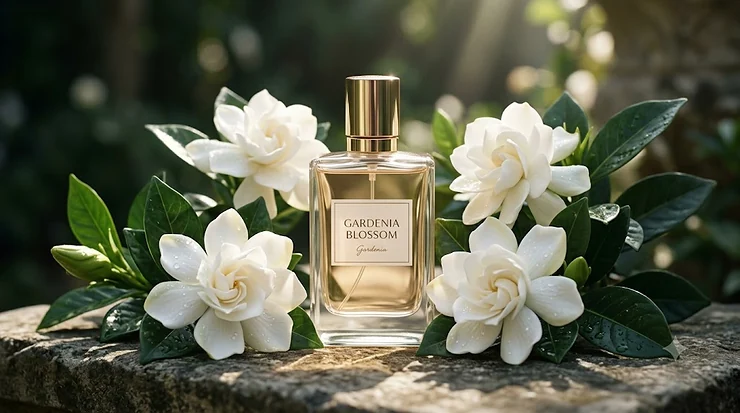
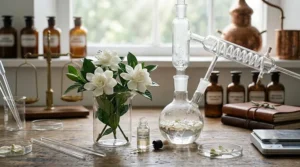
A spring gardenia perfume is built around the creamy, intensely floral scent of the gardenia blossom — usually softened with citrus or green top notes and warmed by a musk or wood base — so it wears lighter than the heavy orientals you reach for in January. That’s the textbook definition. Here’s the messier truth: most “gardenia” perfumes on shelves right now don’t actually contain real gardenia extract, because true gardenia absolute is brutally expensive and notoriously hard to distill. Gardenia is an expensive flower to use, and extracting essential oils from it is one of the most complicated processes in perfumery, which is why many fragrance houses lean on synthetic replicas instead.
So when spring rolls around and you start craving something that smells like a blooming garden instead of a candle aisle, you’re navigating a category full of impostors wearing the right name tag. Some bottles nail it. Others are jasmine and tuberose in a gardenia costume.
I spent real time digging through what’s actually sold on Amazon right now, cross-referencing notes, ingredient lists, and the kind of unfiltered reviews people leave at 11pm after a bottle disappoints them. What follows is seven gardenia-forward picks spanning $13 drugstore nostalgia to a $60 cult-favorite oil, a comparison table to shortcut the scrolling, and the buying logic that actually matters — not the stuff printed on the box.
If you’ve been searching for a fresh gardenia spring scent that doesn’t smell like your grandmother’s hallway, or a blooming gardenia fragrance with enough citrus lift to feel like renewal flower scents rather than a funeral arrangement, you’re in the right place.
Quick Comparison: 7 Spring Gardenia Perfumes at a Glance
| Perfume | Format | Best For | Price Range |
|---|---|---|---|
| Pacifica Tahitian Gardenia | Spray, EDP-strength | Best overall / most popular | $15–$20 |
| Demeter Gardenia | Cologne spray | Truest single-note gardenia | $20–$25 |
| Kai Perfume Oil | Roll-on oil | Cult favorite, oil format | $55–$65 |
| Tocca Eau de Parfum Florence | EDP spray | Designer, romantic bouquet | $70–$90 |
| Elizabeth Taylor Gardenia | EDP spray | Classic, dependable staple | $20–$28 |
| Jovan Island Gardenia | Cologne spray | Lowest-risk budget pick | $10–$15 |
| Herb & Root Gardenia | EDP spray | Clean, vegan, indie | $20–$28 |
A few things jump out once you line these up side by side. The price gap between the cheapest and most expensive bottle here is roughly $75, but that gap doesn’t track cleanly with “better smell” — it mostly tracks with brand positioning and bottle format. The oil and the designer EDP cost more largely because of packaging, marketing, and concentration, not because they’re more “authentically” gardenia than the $13 cologne spray sitting next to them on a drugstore shelf.
✨ Found a favorite already? One click helps other readers find their perfect spring scent too! 😊
Top 7 Spring Gardenia Perfumes — Expert Analysis
1. Pacifica Tahitian Gardenia Perfume Spray — Best Overall
Pacifica Tahitian Gardenia is built around the actual tiaré flower — the Tahitian gardenia species — and it’s become something of a phenomenon, racking up over 20,000 ratings on Amazon. The notes lean gardenia and jasmine up front, with sweet orange and tea leaf cutting through the heaviness, and the formula runs on natural grain alcohol rather than synthetic carriers. In practice, that citrus-tea undercurrent is what keeps this from smelling like a wake — it’s the difference between “tropical garden” and “embalming fluid,” and it’s why this bottle works as an everyday spray instead of a special-occasion-only scent.
This is the one to start with if you’ve never tried a gardenia perfume and don’t want to gamble $80 finding out you hate it. It’s also genuinely vegan and cruelty-free, which matters if that’s a non-negotiable for you. Reviewers describe it as more orange-blossom-leaning than a pure, photorealistic gardenia — so purists sometimes find it a touch too sweet.
✅ Recognizable, crowd-pleasing, and cheap enough to not feel like a bad bet.
❌ Light sillage and a sweeter profile than gardenia loyalists may want.
Price & verdict: Around $15–$20 for the 1 oz spray — the easiest entry point on this list, and the safest first purchase if you’re new to the note.
2. Demeter Gardenia Cologne Spray — Truest to the Flower
Here’s the spec sheet that actually matters: Demeter’s Gardenia is designed to smell like fresh blooming gardenias still on the bush, and the brand specifically engineered out the chemical indole — the compound responsible for the rotting-meat undertone some gardenia flowers carry. What that means for your nose: this is the rare gardenia perfume that doesn’t outsource the job to jasmine and tuberose stand-ins, which one long-running Fragrantica thread on “true smelling gardenia” flagged as the industry’s dirty secret — most gardenia perfumes are jasmine-tuberose cocktails wearing a borrowed name.
This is the pick for someone who’s tried three other “gardenia” perfumes, found them all faintly off, and wants the actual flower instead of a marketing department’s interpretation of it. The trade-off shows up in longevity — multiple reviewers describe it fading fast and clinging better to fabric than skin, with sillage that doesn’t project much past arm’s length.
✅ Most botanically accurate gardenia on this list, gentle price, easy to layer.
❌ Weak staying power on skin; sillage is genuinely modest.
Price & verdict: Around $20–$25 for the 1 oz cologne spray — buy this one for accuracy, not for all-day projection.
3. Kai Perfume Oil — Best Oil Format
Kai built its entire identity on one phrase: gardenia wrapped in white exotics. It’s a perfume oil, not a spray, which changes the experience more than the price tag suggests — oil sits close to skin and releases slowly instead of evaporating off with alcohol, so it reads as more intimate and less broadcast. The brand has built a genuine celebrity following over the years, and the 1/8 oz roll-on format makes it an easy travel companion despite the premium price.
This is the right call for fragrance minimalists — people who want to smell good to someone hugging them, not to a whole room. Reviewers consistently praise how long a single application lasts on skin, even as several note it’s pricey for the bottle size you’re getting. The “white exotics” blend also means gardenia shares billing rather than standing fully alone, which can frustrate shoppers hunting for a true soliflore.
✅ Genuine longevity from a tiny bottle, cult reputation, travel-friendly size.
❌ High price-per-ounce; gardenia character is softened by the supporting florals.
Price & verdict: Around $55–$65 for 1/8 oz — the priciest per-ounce bottle here, justified mainly by format and fan loyalty rather than raw value.
4. Tocca Eau de Parfum Florence — Best Designer, Romantic Bouquet
Tocca Florence doesn’t try to be a single-note gardenia — it’s a full composition, opening with bergamot, grapefruit leaf, pear, and apple before settling into a heart of violet, iris, gardenia, jasmine, and tuberose, then finishing on musk and white wood. That layered structure is the real-world reason this smells more like a department-store fragrance counter than a backyard garden: gardenia is one voice in a small choir here, not the soloist.
This suits someone who wants the romance of gardenia within a finished, sophisticated scent rather than a literal flower replica — and the cut-glass bottle does a lot of gifting heavy lifting. It’s also formulated vegan and cruelty-free. Since launching in 2006, it’s earned a reputation as one of the more recognizable white-floral fragrances in its price tier.
✅ Beautifully balanced multi-note composition, elegant bottle, vegan formula.
❌ Notably pricier than the rest of this list; gardenia is supporting cast, not the lead.
Price & verdict: Typically $70–$90 for the 3.4 oz bottle — this is the splurge pick, best reserved for when you want gardenia as part of something bigger.
5. Elizabeth Taylor Gardenia — Classic, Dependable Staple
Launched in 2003, Elizabeth Taylor Gardenia is a floral-green-musky eau de parfum that sits in that comfortable middle ground between drugstore and niche — easy to find, easy to wear, rarely surprising in a bad way. The green facet keeps it from tipping into syrupy territory, and the musk base gives it enough staying power to feel like a “real” perfume rather than a body spray.
This is the bottle for someone replacing a discontinued vintage gardenia they used to love, or anyone who just wants a familiar, mainstream name instead of gambling on an indie brand. It won’t surprise you, which is exactly the point.
✅ Widely stocked and easy to repurchase, balanced floral-green-musk profile, low-risk gifting choice.
❌ Less distinctive than the niche or single-note options here — it reads more “generic designer floral” than “gardenia specialist.”
Price & verdict: Around $20–$28 for the 3.3 oz spray — the safe, recognizable middle-of-the-road choice.
6. Jovan Island Gardenia — Lowest-Risk Budget Pick
Jovan Island Gardenia blends neroli, gardenia, and sandalwood into a refreshing, sensual fragrance, and it’s been doing exactly that since its 1982 launch — making it the elder statesman of this entire list. Cologne-strength concentration means it won’t project or last as long as an eau de parfum, but at this price point, that’s a fair trade rather than a flaw.
Buy this one to test whether you even like gardenia before committing real money elsewhere, or buy it for nostalgia — plenty of longtime fans describe it as a comforting, familiar scent they keep returning to, though a few newer reviewers find the style dated rather than charming.
✅ Lowest price on this entire list, warm neroli-sandalwood base, easy to find.
❌ Shorter wear time than EDP options; the overall vibe reads vintage rather than contemporary.
Price & verdict: Around $10–$15 — basically a no-risk way to find out if the gardenia note works on your skin at all.
7. Herb & Root Gardenia Eau de Perfume — Best Clean, Vegan Pick
Herb & Root is a small-business, single-note gardenia spray formulated without parabens, phthalates, sulfates, or SLS — part of a broader clean-fragrance catalog that includes lily of the valley and rose-sandalwood blends from the same brand. For shoppers who specifically want ingredient transparency alongside their floral, this checks boxes the legacy brands on this list simply don’t bother with.
This is the pick for someone who reads ingredient panels before checking notes, or who likes supporting smaller, independent perfume houses over mass-market names. It doesn’t have decades of reviews behind it the way Jovan or Elizabeth Taylor does, so you’re trusting a newer reputation rather than a proven one.
✅ Clean ingredient list, vegan and cruelty-free, easy single-note layering.
❌ Shorter review history than legacy brands; typical of clean formulas, the scent throw runs on the lighter side.
Price & verdict: Around $20–$28 — a fair price for the clean-beauty positioning, if that’s a priority for you.
Detailed Spec Comparison
| Perfume | Key Notes | Format/Strength | Price Range |
|---|---|---|---|
| Pacifica Tahitian Gardenia | Gardenia, jasmine, sweet orange, tea leaf | EDP-strength spray | $15–$20 |
| Demeter Gardenia | Single-note gardenia (indole-reduced) | Cologne spray | $20–$25 |
| Kai Perfume Oil | Gardenia, white exotic florals | Oil roll-on | $55–$65 |
| Tocca Florence | Bergamot, pear, gardenia, jasmine, tuberose, musk | EDP spray | $70–$90 |
| Elizabeth Taylor Gardenia | Floral, green, musk | EDP spray | $20–$28 |
| Jovan Island Gardenia | Neroli, gardenia, sandalwood | Cologne spray | $10–$15 |
| Herb & Root Gardenia | Single-note gardenia | EDP spray | $20–$28 |
Looking at this table, the real fault line isn’t price — it’s whether gardenia is the soloist or part of an ensemble. Demeter, Pacifica, Jovan, and Herb & Root all push gardenia to the front; Tocca and Elizabeth Taylor treat it as one voice in a fuller composition. If you’re chasing a literal flower-replica experience, weight your decision toward the single-note end of this table rather than the price column.
How to Wear and Layer Gardenia Perfume for Maximum Longevity
Gardenia perfumes have a reputation for fading fast, and that’s not entirely marketing spin — white florals as a category tend to sit lighter on skin than amber or musk-heavy fragrances. A few adjustments actually move the needle. Apply right after a shower, while skin is still slightly damp and warm — pores are more open and the fragrance binds better instead of evaporating off dry skin within minutes.
Target pulse points where blood vessels sit close to the surface: wrists, inner elbows, the side of the neck, behind the ears. These spots run warmer, and warmth is what releases a fragrance’s heart and base notes over time. If you’re using an oil format like Kai, you can layer it under a spray version of the same scent (or a complementary one) to extend wear without overwhelming the room — oils anchor, sprays project.
One genuinely underused trick: spritz an unscented lotion or hair product with your perfume before it dries. Hair holds scent longer than skin does, and it sits closer to your face, so you notice it throughout the day even after the skin application has faded.
Which Gardenia Perfume Fits Your Life? Real-World Scenarios
The office-to-dinner commuter who needs one bottle to cover a 12-hour day without reapplying is best served by Tocca Florence or Elizabeth Taylor Gardenia — both run at full eau de parfum strength with enough musk and wood in the base to outlast a workday.
The fragrance-curious beginner who isn’t sure gardenia even works on their skin chemistry should start with Jovan Island Gardenia or Pacifica Tahitian Gardenia. Both sit under $20, so a disappointing result doesn’t sting, and both give an honest read on whether you actually like the note before you spend designer money finding out.
The minimalist who wants to smell good only to people standing close — a partner, not a conference room — should look at Kai Perfume Oil. Lower sillage isn’t a flaw here; it’s the entire design philosophy. Pair that profile with someone who travels often, since the roll-on format slides through a carry-on without a second thought.
How to Choose a Spring Gardenia Perfume: 6 Things That Actually Matter
- Check whether gardenia is actually the lead note, not a marketing-friendly name slapped on a jasmine-tuberose blend — read the full note list, not just the bottle’s front label.
- Match format to lifestyle: oils for subtlety and travel, EDP sprays for all-day wear, cologne sprays for a lighter, lower-commitment introduction.
- Budget realistically — price here correlates with packaging and brand story more than with how convincingly the perfume reproduces the actual flower.
- Consider your skin’s warmth and oil level, since drier skin tends to “eat” lighter florals faster, meaning oils or EDPs will outlast cologne sprays on you specifically.
- Read recent reviews, not just star averages — formulas get reformulated, and a five-year-old five-star review may not describe what’s shipping today.
- Decide if you want a soliflore or a bouquet — a true single-note gardenia (Demeter, Herb & Root) reads very differently on skin than a multi-note floral (Tocca) built around it.
Common Mistakes People Make Buying Gardenia Perfume
The biggest one: assuming “gardenia” on the label means gardenia is the dominant smell. Plenty of mass-market florals borrow the name while leaning almost entirely on jasmine and tuberose, since true gardenia extraction is so costly that synthetic substitution is the industry norm rather than the exception.
A close second: blind-buying a full-size bottle of a niche or designer scent without testing it on your own skin chemistry first. Notes that read clean and fresh on a tester strip can shift into something soapier or sharper once they meet your body’s natural oils and pH. Start with a sample, a travel size, or one of the under-$25 options on this list before committing to a $90 bottle.
The third mistake is judging longevity from a single wear. Temperature, humidity, skin hydration, and even what you ate that day all shift how long a fragrance lasts — a gardenia perfume that vanished in an hour during a dry winter test might surprise you with real staying power on a humid spring afternoon.
Gardenia vs. Other Spring Florals
| Floral Note | Scent Character | Intensity | Best For |
|---|---|---|---|
| Gardenia | Creamy, slightly fruity, waxy-white | Medium | Romantic, vintage-leaning spring scents |
| Jasmine | Sweet, narcotic, slightly animalic | High | Bold, evening-leaning florals |
| Tuberose | Heavy, buttery, intensely floral | Very high | Statement scents, special occasions |
| Peony | Light, powdery, rosy-fresh | Low–medium | Soft, everyday daytime wear |
| Lily of the valley | Green, dewy, clean | Low | Minimalist, office-safe florals |
Gardenia sits in a genuinely useful middle spot on this chart — richer and more memorable than peony or lily of the valley, but considerably more wearable day-to-day than tuberose or jasmine at full strength. That’s the practical case for it as a spring scent specifically: it carries enough presence to feel intentional without the “I just walked through a perfume counter” effect that heavier white florals can produce in warm weather.
What to Expect: Real-World Performance, Longevity & Sillage
Here’s the honest performance hierarchy based on format alone, regardless of brand: oils (Kai) generally outlast sprays on skin because they evaporate slower, EDPs (Tocca, Elizabeth Taylor, Pacifica, Herb & Root) sit in the middle at roughly 4–6 hours, and colognes (Demeter, Jovan) run lightest and shortest at around 2–4 hours.
Sillage — how far the scent projects from your body — doesn’t always track with longevity. Demeter, for instance, smells remarkably true to the actual flower but multiple reviewers describe it staying close to skin rather than filling a room, while Pacifica’s citrus-tea undertone gives it more outward projection despite being a less “pure” gardenia rendition. If you want people to notice from across a room, prioritize sillage over botanical accuracy; if you want a scent that’s there only for you, the reverse logic applies.
Features That Actually Matter (and the Marketing Claims That Don’t)
“Vegan and cruelty-free” matters if it’s a genuine priority for you — Pacifica, Tocca, and Herb & Root all qualify, and it costs nothing in performance. “Single-note” or “soliflore” matters because it tells you whether you’re getting an actual flower replica or a bouquet wearing a flower’s name; check the full note list, not the marketing copy.
What doesn’t matter nearly as much as bottle design or brand heritage stories suggest: a fancy glass bottle has zero correlation with how a perfume performs on your specific skin, and “inspired by Hawaii” or “inspired by Polynesia” framing is evocative copywriting, not a guarantee of botanical authenticity. The note pyramid is the only spec sheet that consistently tells you the truth — middle, or “heart,” notes form the main body of a perfume and emerge as the lighter top notes fade, while base notes appear last and provide the depth and staying power that lighter notes can’t sustain alone. Read that structure, not the ad copy wrapped around it.
Safety, Sensitive Skin, and Fragrance Regulations
If you have sensitive skin or known fragrance allergies, there’s a regulatory quirk worth knowing about: the FDA does not have the same legal authority to require allergen labeling for cosmetics that it has for food, so if fragrance sensitivities concern you, choosing fragrance-free products and reading full ingredient lists carefully is currently your best safeguard. The European Union has gone further, identifying 26 specific fragrance ingredients as recognized allergens under its Cosmetics Directive — which is part of why some “clean” U.S. brands voluntarily disclose more than federal law strictly requires.
Practically, that means patch-testing any new gardenia perfume on your inner arm before spraying it across pulse points, especially with alcohol-based EDPs and colognes. Oil-based formats like Kai or alcohol-free mist versions tend to run gentler for reactive skin, since they skip the alcohol that can sometimes intensify irritation on its own.
Spring Gardenia Perfume vs. Designer Florals: Is the Splurge Worth It?
Run the math on cost-per-wear and the picture gets more interesting than the sticker price suggests. A $13 Jovan bottle that lasts three months of regular wear costs you roughly the same per-application as a $80 Tocca bottle that, thanks to higher concentration, needs far fewer sprays per wear and lasts proportionally longer in the bottle. Neither is objectively “better value” — it depends on whether you’re optimizing for lowest upfront cost or lowest cost spread over a year of wear.
Where the designer tier genuinely earns its price: composition complexity and bottle/gifting presentation. Where the budget tier holds its own: most people genuinely cannot tell, from three feet away, whether the gardenia on your skin cost $13 or $90 — projection and freshness of application matter more to a stranger’s nose than the receipt does.
Storage, Shelf Life, and Getting the Most From Your Bottle
Perfume degrades faster than most people assume, and light and heat are the main culprits — not time alone. Keep bottles out of direct sunlight and away from bathroom humidity and temperature swings; a closet shelf or a dedicated drawer beats a steamy windowsill every time. Most eau de parfums and colognes hold their character for 3–5 years unopened and slightly less once opened and exposed to air, while oil formats like Kai tend to be more stable over time since there’s no alcohol to oxidize.
A quick test if you’re unsure whether an older bottle has turned: a fresh gardenia note should smell creamy and slightly green; if it’s gone sharp, vinegary, or flat, the top notes have likely degraded and it’s time to replace it.
FAQ
❓ Does gardenia perfume smell like jasmine?
❓ How long does gardenia perfume last on skin?
❓ Is gardenia perfume good for spring?
❓ Can sensitive skin wear gardenia perfume?
❓ What's the best gardenia perfume for everyday wear?
Conclusion
If you take one thing from all of this: the name on the bottle is the least reliable part of the spec sheet. Gardenia’s reputation rests on a scent so distinctive and so genuinely difficult to extract that the industry has spent decades faking it with jasmine and tuberose stand-ins — which means your best move is reading the actual note pyramid, not the front label.
For a true botanical experience, Demeter and Herb & Root come closest to the real flower. For the easiest, lowest-risk entry into the category, Pacifica or Jovan won’t burn a hole in your wallet while you figure out if gardenia even works on your skin. And if you want gardenia woven into a fuller, more romantic composition rather than standing alone, Tocca Florence earns its higher price tag.
Spring is short, and so is the window where a creamy white floral feels exactly right rather than too heavy or too sparse. Pick the format that matches how loudly you want to smell good, not just the bottle that looks best on a shelf.
🔍 Ready to find your spring signature scent?
Check current pricing and availability on any of the picks above — these seven options cover every budget and every level of “how much gardenia do I actually want on me today.”
Recommended for You
- 7 Best Winter Amber Fragrances That Win Compliments in 2026
- 7 Best Fall Woody Perfumes That Smell Like Autumn Itself (2026)
- 7 Best Luxury Iris Perfumes Worth Buying in 2026
Disclaimer: This article contains affiliate links. As an Amazon Associate, I earn from qualifying purchases. If you purchase products through these links, we may earn a small commission at no additional cost to you.
✨ Found this helpful? Share it with your friends! 💬🤗
