In This Article
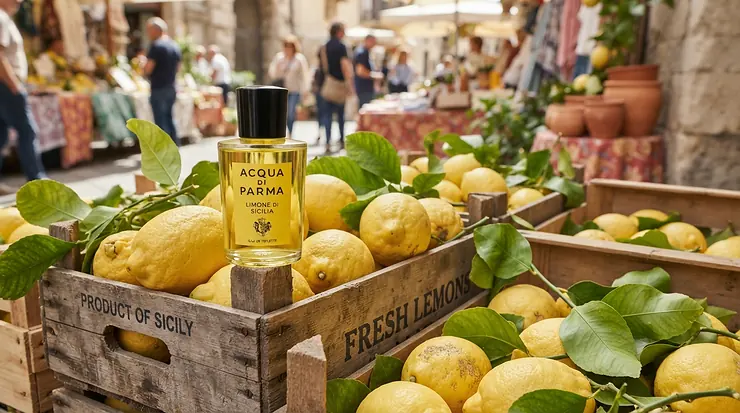
Some mornings, the right smell does more waking-up than the coffee does. That is the whole pitch behind a citrus perfume for summer daily wear: a burst of bergamot or grapefruit that hits your skin like cold water on a hot sidewalk, then settles into something you can wear from the commute to the last iced coffee of the day. What is a citrus perfume for summer daily wear? It is a fragrance built mainly on bright top notes — bergamot, lemon, grapefruit, mandarin — designed to feel light, clean, and energizing in heat, rather than heavy or sweet the way many fall and winter scents are. As Marie Claire’s beauty team has noted about the current crop of citrus releases, the category has moved well past “smells like an orange” into genuinely layered, wearable territory that spans drugstore shelves and niche fragrance houses alike. That matters because the wrong citrus pick can smell fantastic in the bottle and vanish off your wrists by 11 a.m., or worse, turn sharp and soapy in humidity. Below, we break down seven real, buyable options — spanning under-$30 splashes to genuine luxury bottles — with honest analysis of who each one actually suits, not just a specs dump lifted from a product page.
Quick Comparison Table: Citrus Perfume for Summer Daily Wear at a Glance
| Perfume | Standout Note | Price Range | Best For |
|---|---|---|---|
| Elizabeth Arden Green Tea | Lemon, bergamot, mint | Under $30 | Budget daily rotation |
| Alvarez Gomez Agua de Colonia | Lemon, lime, herbal | $25–$40 | Splash-and-go freshness |
| Dolce & Gabbana Light Blue | Sicilian lemon, cedar | $70–$100 | Everyday versatility |
| Giorgio Armani Acqua di Giò | Bergamot, sea notes | $85–$120 | Aquatic-citrus hybrid |
| Chanel Chance Eau Fraîche | Citron, jasmine | $100–$145 | Office-to-weekend polish |
| Le Labo Bergamote 22 | True bergamot, vetiver | $180–$230 | Longest citrus longevity |
| Tom Ford Neroli Portofino | Bergamot, neroli, mandarin | $230–$290 | Luxury Mediterranean citrus |
Looking at the spread above, the real split isn’t budget versus premium — it’s longevity versus brightness. Elizabeth Arden Green Tea and Alvarez Gomez Agua de Colonia lean into that sharp, just-showered brightness but fade fast, while Le Labo Bergamote 22 and Tom Ford Neroli Portofino trade a little sparkle for six-plus hours of wear. If you reapply through the day anyway, the cheaper bottles are arguably the smarter buy; if you want to spray once at 7 a.m. and forget about it, the niche and luxury options earn their price tag.
Found a favorite already? A quick tap on the share button helps other readers find their perfect summer scent too!
Top 7 Citrus Perfumes for Summer Daily Wear: Expert Analysis
We picked these seven with one rule: every bottle had to be genuinely wearable for a full day in the heat, not just pretty in a sample vial. Coverage runs from splash colognes under $30 to niche and designer bottles well into three figures, across skin types, genders, and how often you’re willing to reapply.
1. Elizabeth Arden Green Tea — cult-classic citrus you can rebuy for a decade
This one’s been quietly doing the “zesty and clean” job since 1999, and it hasn’t needed a reformulation gimmick to stay relevant. The pyramid opens on lemon, bergamot, and orange peel with a startling hit of mint and rhubarb, then folds into jasmine and spearmint before landing on a soft amber-musk base.
In practice, that means the first twenty minutes smell almost fizzy — like biting into citrus peel — before it calms into something closer to clean laundry with a green edge. Based on the spec comparison with pricier options on this list, what stands out is how much complexity Elizabeth Arden packed into a formula that costs less than a nice lunch; the mint-rhubarb combo is doing real work that a lot of “simple citrus” fragrances skip entirely.
Reviewers consistently describe it as an easy layer-under-clothes scent that reads as fresh rather than perfumey, which is exactly what daily office wear needs. The trade-off, and it’s a real one: the citrus top notes fade within two to three hours on most skin types, so this is a reapply-at-lunch fragrance, not a spray-and-forget one.
Pros:
- ✅ Extremely affordable for daily, rebuy-often use
- ✅ Genuinely unisex, clean scent profile
- ✅ Light enough to layer under work clothes
Cons:
- ❌ Top notes fade fast, needs reapplication
- ❌ Bottle design feels dated next to newer releases
At around $20–$35 depending on size, this is the perfume you buy without agonizing over it — the value case is less “cheap for what it is” and more “genuinely good regardless of price.”
2. Alvarez Gomez Agua de Colonia Concentrada — the splash cologne locals have sworn by for generations
If Elizabeth Arden Green Tea is citrus with training wheels, this Spanish classic is the real, unfiltered thing. It’s built around lemon, lime, and orange with a backbone of rosemary and lavender, finishing on a barely-there musk — no sweetness, no gourmand curveball, just clean citrus and herbs.
What most buyers overlook about splash colognes like this one is that the format itself changes how the scent behaves: without a fine-mist spray nozzle, you apply more liquid at once, which means a stronger initial blast and a genuinely different skin experience than atomized perfumes. That’s precisely why it works so well as a midday refresh — a quick splash on the wrists and neck reads as an instant reset rather than “more perfume.”
Aggregated reviews across fragrance forums and retailers describe it as reminiscent of a barbershop or old-world apothecary, which tracks given the brand’s century-plus history. The honest downside is projection: this is a scent for you and whoever’s standing close, not something that fills a room.
Pros:
- ✅ Old-world citrus formula with real herbal depth
- ✅ Large bottle sizes mean low cost-per-wear
- ✅ Splash format is ideal for midday refreshing
Cons:
- ❌ Very close-to-skin projection
- ❌ Non-spray format feels unfamiliar to some buyers
Priced in the $25–$40 range for a genuinely large bottle, the cost-per-use math here is arguably the best on this entire list.
3. Dolce & Gabbana Light Blue — the most versatile do-it-all citrus on the market
This is the fragrance most likely to already be in someone’s medicine cabinet, and there’s a reason it has stayed a bestseller for two decades running. Sicilian lemon and green apple open bright and slightly tart, bellflower and bamboo add a green mid-note, and cedar with musk and amber close things out on warm, skin-like territory.
Here’s what to weigh: Light Blue isn’t the sharpest or most “true” citrus on this list, but that’s the point — the apple and floral heart soften the lemon so it reads as approachable rather than aggressive, which is exactly why it works across so many settings.
Reviewers consistently note that it performs differently depending on skin chemistry, running sweeter on drier skin and sharper on oilier skin, which is worth sampling before committing to a full bottle. It’s genuinely one of the more crowd-pleasing scents in this category — the kind of “safe” that isn’t boring.
Pros:
- ✅ Balanced citrus-floral profile suits most skin types
- ✅ Widely recognized, easy to compliment-fish
- ✅ Moderate 4–6 hour wear time
Cons:
- ❌ Can smell generic in crowded settings
- ❌ Less “true citrus” than niche alternatives
At roughly $70–$100 depending on size, it sits squarely in mid-range territory and remains one of the safest first bottles for anyone new to citrus fragrance.
4. Giorgio Armani Acqua di Giò — the aquatic-citrus hybrid built for daily wear
Technically an aquatic, this one earns its spot here because the opening act is pure citrus: bergamot and green tangerine blast off before marine and jasmine notes take over, with rosemary adding an herbal green edge and a musk-cedar-patchouli base grounding the whole thing.
What the spec sheet won’t tell you, but decades of reformulations suggest, is that this fragrance was essentially the template for a whole genre of “fresh guy” scents that followed it — you can smell its DNA in dozens of other bottles. Based on the spec comparison with the rest of this list, Acqua di Giò sits in an interesting middle ground: brighter and more citrus-forward than most aquatics, but with more depth and lasting power than a straight citrus cologne.
Reviewers consistently report six to eight hours of wear, among the longer performances in the mid-range price tier, and describe the drydown as soapy-clean rather than sweet.
Pros:
- ✅ Strong 6–8 hour longevity for the price tier
- ✅ Citrus opening balanced by aquatic freshness
- ✅ Widely available, easy to find on sale
Cons:
- ❌ Extremely common scent, low uniqueness factor
- ❌ Marine note can read synthetic to sensitive noses
Sitting in the $85–$120 range across sizes, it’s an easy recommendation for anyone who wants citrus energy without a one-note citrus fragrance.
5. Chanel Chance Eau Fraîche — the most polished office-to-weekend citrus
This is citrus with a dress code. Citron and lemon open sharp and clean, jasmine and water hyacinth add a soft floral heart, and teakwood, amber, and iris close things out with quiet warmth rather than sweetness. Reviewers have described it as feeling like air-conditioning in a bottle — an apt way to capture how the icy citrus opening contrasts with the warmer, softer base that follows. Based on the spec comparison, what separates this from the D&G and Armani options above is polish: the floral heart is more refined, the drydown is smoother, and the overall effect reads more “put-together adult” than “fresh and casual,” which matters if your daily wear includes client meetings or dressier settings. Aggregated customer sentiment consistently flags it as a reliable compliment-getter, particularly praised for smelling expensive without tipping into headache territory the way some heavier florals can in heat.
Pros:
- ✅ Refined, office-appropriate citrus-floral balance
- ✅ Smooth drydown that doesn’t turn heavy
- ✅ Strong reputation for genuine compliments
Cons:
- ❌ Pricier than comparable designer citrus options
- ❌ Floral heart may not suit citrus purists
Expect to pay in the $100–$145 range, which puts it at the top of designer pricing but still well under niche territory — reasonable given how consistently it performs.

6. Le Labo Bergamote 22 — the longest-lasting true bergamot on this list
Niche fragrance has a reputation for prioritizing artistry over wearability, but Bergamote 22 splits the difference well. It opens with a genuinely dazzling burst of sparkling bergamot and grapefruit — sharper and more “real citrus fruit” than any designer option here — before settling into a warm, woody base of vetiver, cedarwood, and musk. That base is the whole story: what most buyers overlook about bergamot-forward perfumes is that the citrus itself is inherently unstable and fast-fading on skin, so the woody backbone here is doing the heavy lifting that gives this fragrance its reported six-to-eight-hour lifespan. Reviewers consistently describe the result as sophisticated rather than fleeting, a fair trade for citrus fans who’ve been burned by fragrances that smell incredible for twenty minutes and disappear by lunch. This is also the most unisex-leaning bottle on this list in terms of how it’s marketed and worn.
Pros:
- ✅ True, high-quality bergamot and grapefruit opening
- ✅ Genuinely long 6–8 hour wear time
- ✅ Sophisticated woody base avoids “cheap citrus” territory
Cons:
- ❌ Premium pricing versus designer alternatives
- ❌ Limited retail availability compared to mainstream brands
At $180–$230 for standard bottle sizes, it’s a meaningful step up in price, but the longevity gap versus cheaper citrus options genuinely narrows the cost-per-wear more than it first appears.
7. Tom Ford Neroli Portofino — the most luxurious Mediterranean citrus money can buy
If this list had a “special occasion that happens to be a Tuesday” pick, it’s this one. The pyramid reads like a citrus wishlist: bergamot, mandarin orange, lemon, and bitter orange up top, lavender and rosemary adding herbal lift, then neroli and orange blossom taking center stage before angelica, jasmine, amber, and musk close it out.
Fragrance editors have repeatedly described it as evoking a sunny Italian coastline, and that’s not just marketing copy — the sunscreen-adjacent, almost creamy quality of the neroli genuinely does read like a beach vacation distilled into a bottle. Here’s what to weigh before buying: this is not the longest-lasting fragrance here, with most reviewers reporting a moderate four-to-six-hour lifespan, softer and closer to skin than its price tag might suggest.
What most buyers overlook is that this quieter projection is arguably the point — it’s designed to feel expensive and intimate rather than to announce itself across a room, which is a different kind of luxury than raw longevity.
Pros:
- ✅ Genuinely luxurious, complex citrus-floral composition
- ✅ Unisex appeal with broad, universal wearability
- ✅ Elegant, soft projection suited to refined settings
Cons:
- ❌ Shorter longevity relative to its premium price
- ❌ Significant investment for a daily-wear fragrance
Pricing runs $230–$290 across standard sizes, making it the splurge pick here — worth it primarily for fragrance lovers who value the experience as much as the practicality.
How to Wear a Zesty Summer Fragrance All Day Without Losing It by Noon
Here’s the uncomfortable truth about a zesty summer fragrance: heat is both its best friend and its worst enemy. Warmth makes citrus notes bloom beautifully off the skin, but it also burns through those same volatile top notes faster than in cooler weather. The fix starts with where you spray. Pulse points — inside wrists, the base of the throat, behind the ears — generate enough body heat to keep releasing scent molecules throughout the day, while spraying onto clothing (fabric holds fragrance longer than skin) gives you a second, slower-releasing layer. A common mistake in the first thirty days of owning a new bottle is over-applying out of excitement; two to three sprays is genuinely enough for most eau de toilette concentrations, and reapplying lightly at midday beats dousing yourself at 7 a.m. Moisturized skin also holds fragrance measurably longer than dry skin, since dry skin cells shed and take fragrance molecules with them — so an unscented, oil-based lotion underneath any citrus perfume for summer daily wear can meaningfully extend wear time. Store your bottle away from bathroom humidity and direct sunlight, both of which degrade citrus top notes faster than any other fragrance family.
Real-World Scenarios: Matching Citrus and Bergamot Perfume to Your Lifestyle
Picture three different mornings. First, a college student commuting twenty minutes by bike to summer classes, budget tight, showering again before evening plans: Elizabeth Arden Green Tea or Alvarez Gomez Agua de Colonia make sense here — cheap enough to reapply without guilt, and light enough not to compete with a sweaty commute. Second, someone working a hybrid office schedule who wants one bottle that handles client calls and after-work drinks equally well: Chanel Chance Eau Fraîche or Dolce & Gabbana Light Blue cover that range without needing a fragrance wardrobe. Third, a citrus and bergamot perfume enthusiast who travels for work and wants something that survives a transatlantic flight and a full conference day without a midday top-up: Le Labo Bergamote 22 or Tom Ford Neroli Portofino justify their price precisely because reapplication isn’t always practical. None of these are hard rules — skin chemistry, climate, and personal preference all shift the math — but starting from your actual daily routine, rather than the prettiest bottle on the shelf, tends to produce fewer regretful purchases.
Your Citrus Perfume Decision Framework: If This, Choose That
If budget is your top priority and you don’t mind reapplying, choose Elizabeth Arden Green Tea or Alvarez Gomez Agua de Colonia, because their low cost-per-bottle offsets shorter wear time. If you want one fragrance that works for nearly every summer occasion, choose Dolce & Gabbana Light Blue, because its balanced citrus-floral profile reads as appropriate almost anywhere. If your priority is all-day longevity without a midday reapplication, choose Le Labo Bergamote 22, because its woody base extends the citrus opening further than any other option here. If your daily wear needs to feel elevated for client-facing work, choose Chanel Chance Eau Fraîche, because its polished drydown reads as deliberate rather than casual. And if you’re buying a genuine luxury piece for how it makes you feel rather than pure practicality, choose Tom Ford Neroli Portofino, because its complexity rewards slower, closer-range wear over raw projection.
How to Choose a Citrus Perfume for Summer Daily Wear
Picking the right citrus perfume for summer daily wear comes down to seven practical checkpoints:
- Test on skin, not paper. Skin chemistry — pH, oil levels, even diet — changes how citrus notes develop; a paper strip never tells the full story.
- Check the concentration. Eau de toilette formulas run lighter and fresher for daytime; eau de parfum lasts longer but can feel heavier in extreme heat.
- Match longevity to your schedule. If reapplication isn’t realistic, prioritize woody-based citrus blends like bergamot-vetiver combinations over pure citrus colognes.
- Consider projection needs. Office-appropriate wear typically calls for moderate, close-to-skin projection rather than room-filling sillage.
- Factor in your budget honestly. A $25 splash cologne reapplied twice a day may outperform a $200 bottle worn sparingly out of financial anxiety.
- Read aggregated reviews, not single opinions. Look for patterns across dozens of reviewers rather than one glowing or scathing take.
- Sample before committing to full size. Nearly every brand on this list offers travel or sample sizes — genuinely worth the extra step before a big purchase.
Zesty Summer Fragrance vs Classic Summer Cologne: What Actually Performs in the Heat
“Classic summer cologne” and “zesty summer fragrance” often get used interchangeably, but there’s a real distinction worth understanding before you buy.
| Factor | Classic Cologne (e.g., Alvarez Gomez) | Modern Citrus Perfume (e.g., Le Labo Bergamote 22) |
|---|---|---|
| Concentration | Low (typically 3–5%) | Higher (often 15–20%) |
| Longevity | 1–3 hours | 6–8 hours |
| Projection | Very close to skin | Moderate to noticeable |
| Price per wear | Low | Higher upfront, competitive long-term |
| Best For | Quick refreshes, layering | All-day, single-application wear |
Traditional colognes were built for a different era — one where reapplying every few hours from a desk drawer was the norm rather than an inconvenience. Modern citrus perfumes, by contrast, are formulated with fixatives and woody base notes specifically to survive a full workday, which explains the price gap far better than “niche markup” alone. According to a roundup of summer-ready perfumes from Gulf News, several reviewers specifically praise longer-wearing citrus blends for handling extreme heat and humidity better than lighter classic colognes, reinforcing that the “lasts longer” claim isn’t just marketing.
Citrus Fragrance Notes Explained: What to Expect on Skin in the Heat
Citrus fragrance notes behave differently than almost any other fragrance family, and understanding why changes how you shop. Bergamot, grapefruit, lemon, and mandarin are all top notes — the most volatile, fastest-evaporating molecules in a fragrance’s structure — which is exactly why citrus perfumes smell strongest in the first fifteen to thirty minutes and noticeably fade afterward. What most buyers overlook is that heat accelerates this evaporation even further, so a citrus perfume for summer daily wear will genuinely smell different, and fade faster, on a 95-degree day than it did when you first tested it in an air-conditioned store. That’s not a flaw in the fragrance; it’s basic chemistry. This is precisely why brands pair citrus top notes with heavier fixatives like vetiver, musk, or cedarwood — those base notes evaporate slowly and effectively “hold up” the citrus scent trail longer than it could manage alone. As one industry summer fragrance guide puts it, the best warm-weather scents balance brightness with just enough structure to avoid disappearing within the hour. Grapefruit tends to read slightly bitter and green; mandarin skews sweeter and softer; bergamot sits in between, with a faintly floral, almost tea-like edge that makes it the most versatile of the four.
Common Mistakes When Buying an Energizing Daytime Scent
Shopping for an energizing daytime scent trips people up in fairly predictable ways. Mistake one: judging a fragrance from a single sniff of the bottle rather than wearing it for several hours, since citrus perfumes change dramatically as they dry down. Mistake two: assuming “citrus” always means “light” — some citrus-forward fragrances, particularly ones layered over amber or oud bases, can actually feel heavier than a delicate floral. Mistake three: buying based on a friend’s glowing review without accounting for skin chemistry differences, since the same bottle can smell completely different on two people. Mistake four: over-applying because the scent seems to fade — often the fragrance is still there, just adapted to your nose through olfactory fatigue, a real phenomenon where your brain tunes out familiar smells. Mistake five: ignoring return or sample policies, especially on niche and luxury bottles where a $220 mistake stings considerably more than a $25 one.
Citrus Perfume for Every Skin Type and Body Chemistry
Dry skin tends to mute citrus top notes faster, since there’s less natural oil to slow evaporation — daily lotion underneath a spray genuinely helps here. Oily skin, by contrast, often amplifies and extends citrus brightness, sometimes making sharper fragrances like Le Labo Bergamote 22 or Alvarez Gomez Agua de Colonia feel more intense than expected on that skin type. Sensitive or reactive skin should lean toward alcohol-light or lower-concentration options, and always patch-test on the inner forearm before applying to the neck or chest. Body chemistry shifts with diet, medication, hormonal changes, and even stress levels, which is a real, documented phenomenon in fragrance chemistry rather than folklore — it’s a large part of why the same bottle gets wildly different reviews from different wearers. If a fragrance you loved on a friend disappoints on you, the formula likely isn’t broken; your skin is simply reading it differently.
Long-Term Cost and Maintenance of a Citrus Fragrance Wardrobe
The sticker price on a bottle rarely tells the full cost story. A $25 Alvarez Gomez Agua de Colonia applied generously twice daily might empty a large bottle within two to three months, while a $220 Tom Ford Neroli Portofino worn a few sprays at a time can realistically last eight to twelve months. Run the simple math: cost-per-wear often favors the pricier bottle once you account for how sparingly people tend to use genuinely potent, long-lasting formulas. Storage matters just as much as purchase price — heat, light, and humidity all degrade fragrance over time, so a bathroom shelf next to a hot shower is genuinely the worst place to store any of these seven bottles. A cool, dark drawer or closet extends shelf life by years in some cases. Rotating between two or three fragrances, rather than wearing one bottle daily until empty, also slows the sensory fatigue that makes any single scent feel “boring” faster than it actually degrades.
| Price Tier | Example | Approx. Cost/Bottle | Realistic Lifespan | Rough Cost-Per-Month |
|---|---|---|---|---|
| Budget | Elizabeth Arden Green Tea | Under $30 | 2–3 months | Under $12 |
| Mid-Range | Dolce & Gabbana Light Blue | $70–$100 | 5–7 months | $12–$16 |
| Premium | Tom Ford Neroli Portofino | $230–$290 | 8–12 months | $22–$28 |
The takeaway here is that premium fragrance isn’t automatically a worse value — it simply front-loads the cost. Budget-conscious buyers rotating a single bottle daily will still spend less overall, but frequent-reapplication habits close that gap faster than most people assume.
Bergamot and Grapefruit Safety: Sun Exposure, Regulations, and Dermatology Facts
This is the section most citrus perfume guides skip, and it genuinely matters. Cold-pressed bergamot and grapefruit oils contain compounds called furanocoumarins — bergapten is the most studied — which can react with UV light on skin and cause phototoxic reactions ranging from mild redness to blistering and lasting hyperpigmentation, a condition sometimes called “berloque dermatitis.” A peer-reviewed study published in the Central European Journal of Public Health found that even low concentrations of citrus essential oils showed measurable phototoxic potential under UV exposure in laboratory testing. The good news: this risk applies mainly to concentrated, cold-pressed essential oils applied directly and left on sun-exposed skin, not to properly formulated commercial perfumes. The International Fragrance Association caps bergapten levels in leave-on cosmetic products specifically to prevent this reaction, and reputable perfume houses formulate within those limits using bergapten-free (FCF) bergamot. The practical takeaway for daily wear: apply citrus fragrances to areas less exposed to direct, prolonged sun — behind the ears and on clothing rather than the tops of your hands or forearms during beach days — and always patch-test a new bottle before regular use.
Building a Summer Skincare Routine That Plays Nice With Fragrance
A smart summer skincare routine and a citrus perfume for summer daily wear actually need to work together, not against each other. Start with a lightweight, non-comedogenic moisturizer before applying any fragrance — hydrated skin holds scent longer, and a barrier layer reduces the chance of alcohol-based perfumes causing dryness or irritation in already sun-exposed skin. Always apply sunscreen before fragrance, never after, and let it fully absorb first, since layering citrus perfume directly over wet sunscreen can slightly alter how both products perform. Avoid spraying citrus fragrance directly onto freshly exfoliated or sunburned skin, which is more reactive and prone to irritation from alcohol content. If you’re prone to breakouts in heat, opt for fragrances applied to clothing and hair rather than directly onto acne-prone areas of the face and neck. This small sequencing habit — skincare first, sunscreen next, fragrance last, and mostly on clothing or lower-exposure skin — solves most of the irritation complaints tied to summer fragrance wear.
Frequently Asked Questions
❓ What is the best citrus perfume for summer daily wear on a budget?
❓ Does citrus perfume last as long as other fragrance families?
❓ Is bergamot perfume safe to wear in direct sunlight?
❓ Can men and women wear the same citrus perfume for summer daily wear?
❓ How many sprays of citrus perfume should I use for daily wear?
Conclusion
A great citrus perfume for summer daily wear isn’t about finding the “best” bottle on paper — it’s about matching longevity, projection, and price to how you actually move through a hot day. Elizabeth Arden Green Tea and Alvarez Gomez Agua de Colonia prove that budget citrus can genuinely compete on quality if you’re willing to reapply. Dolce & Gabbana Light Blue and Giorgio Armani Acqua di Giò sit comfortably in the middle, offering balance without asking you to think too hard. Chanel Chance Eau Fraîche brings polish for days that need it, while Le Labo Bergamote 22 and Tom Ford Neroli Portofino justify their premium pricing through genuine longevity and complexity rather than branding alone. Whichever bottle you land on, the real win is understanding why it works on your skin, in your climate, for your schedule — not just that it smelled good on a testing strip in an air-conditioned store.
Recommended for You
- Perfume For Sensitive Skin Daily Use: 7 Gentle Picks (2026)
- Clean Laundry Scent Perfume: 7 Fresh Picks Worth Trying (2026)
- 7 Best Subtle Perfumes For College Students In 2026
Disclaimer: This article contains affiliate links. As an Amazon Associate, I earn from qualifying purchases. If you purchase products through these links, we may earn a small commission at no additional cost to you.
✨ Found this helpful? Share it with your friends! 💬🤗
