
In This Article
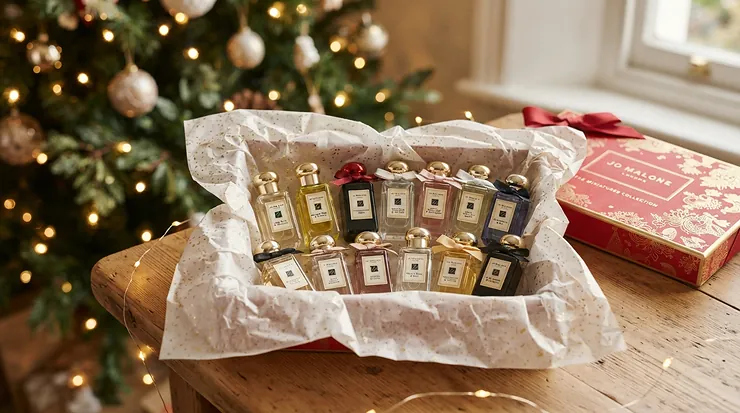
Here’s a confession every perfume counter employee has heard a thousand times: “I just want to smell like me, but better.” That’s the whole appeal of perfume layering — stacking two (or three) fragrances so they melt into something no single bottle could pull off alone. Perfume layering is the practice of wearing two or more fragrances together, in a deliberate order, so their notes blend on your skin into a single, personalized scent rather than a single bottle’s fixed formula. Instead of hunting for one mythical “signature scent” that does everything, you build a small rotation — a fresh anchor, a warmer topper, maybe a gourmand wildcard for winter — and mix them like a bartender riffing on a base spirit.
This piece is built around real, currently available perfumes for layering everyday scents, pulled from brands that actually design their bottles to be combined rather than worn in isolation. Some of what follows is aimed at total beginners who’ve never layered anything more complicated than lotion and body spray. Some of it is for people already three bottles deep who want to get more scientific about which notes alter each other once they hit skin together. Either way, you’ll walk away with actual products, actual pairing logic, and a framework for building your own combo instead of guessing.
Quick Comparison Table
| Product | Type | Price Range | Best For |
|---|---|---|---|
| Jo Malone London Wood Sage & Sea Salt | Single cologne (anchor) | $75-$95 | Most versatile base layer |
| Jo Malone London Peony & Blush Suede | Single cologne (topper) | $75-$95 | Warming a fresh base |
| Maison Margiela REPLICA Mini Duo | 2-piece layering set | Around $30 | First-time layerers |
| Maison Margiela REPLICA Memory Box | 8-piece sampler | $60-$75 | Building a full rotation |
| Skylar Discovery Spray Sampler Set | 5-piece sampler | Under $25 | Sensitive-skin beginners |
| Skylar Vanilla Sky EDP | Single EDP (topper) | $60-$70 | Cozy, cheap gourmand layer |
| Zara Orchid Eau de Parfum | Single EDP (budget anchor) | $15-$25 | Testing layering on a budget |
Looking at the spread above, the real story isn’t premium versus budget — it’s format. The Maison Margiela REPLICA Mini Duo and Skylar Discovery Spray Sampler Set solve the biggest beginner problem (buying two full bottles before knowing if they even like layering), while Jo Malone London Wood Sage & Sea Salt and Jo Malone London Peony & Blush Suede reward people who already know their preferences and want a premium base to build around. Zara Orchid Eau de Parfum exists almost entirely to prove that layering doesn’t require a three-figure budget.
💬 Found a combo you’re excited to try? A quick tap below helps other readers find this guide too!
Top 7 Perfumes for Layering Everyday Scents: Expert Analysis
1. Jo Malone London Wood Sage & Sea Salt — the most layer-able scent in the collection
Reviewers and fragrance forums repeatedly single this one out as the easiest base to build on, and the reason is structural, not hype. The composition leans on ambrette seed and sea salt accord sitting under a green, slightly mineral sage — which means it’s low-key enough to not compete with whatever you put on top of it.
Based on the spec comparison with other Jo Malone colognes, Jo Malone London Wood Sage & Sea Salt runs lighter in sillage than the brand’s fruitier options, which is exactly why it works as an anchor rather than a solo statement piece. This is the pick for people who want a “blank canvas” scent that reads clean on its own but genuinely transforms with a second layer — beginners should start here specifically because it’s forgiving of layering mistakes.
Community threads on Fragrantica consistently describe it as the most easily layer-able scent in a Jo Malone wardrobe, pairing well with woody, citrus, fresh floral, and fruity scents, which lines up with what the brand itself recommends.
Pros:
- ✅ Works as a genuine blank-canvas base for almost any topper
- ✅ Light sillage means it never overwhelms a second fragrance
- ✅ Unisex profile suits nearly any wearer or occasion
Cons:
- ❌ Modest longevity alone (4-6 hours) without a layering partner
- ❌ Premium price for a fragrance rarely worn solo
In the $75-$95 range for the 30ml bottle, this isn’t a cheap experiment — but as a foundational piece you’ll reach for constantly, the value holds up better than a flashier scent you tire of in a season.
2. Jo Malone London Peony & Blush Suede — the warming topper that makes anchors feel finished
If Wood Sage & Sea Salt is your blank canvas, this is one of the most popular brushes to paint with. The heart note is rose married to peony, but the suede accord in the base is what does the real work — it adds a soft, almost powdery warmth that keeps the floral from reading too sweet or too loud.
What most buyers overlook about this one is that it functions less as a “floral perfume” and more as a warming agent: sprayed over a lighter fresh scent, it rounds out sharp citrus or salty top notes into something cozier. Brand guidance itself points to this exact pairing logic, noting that popular combinations include English Pear & Sweet Pea freshened with English Oak & Hazelnut, or Wood Sage & Sea Salt with the joyfully warm Peony & Blush Suede.
Aggregated reviewer sentiment on fragrance forums describes it as one of the collection’s most self-sufficient scents — some wearers report they rarely feel the need to layer it at all, which says a lot about how complete it smells solo, and even more about how good it is at completing something else.
Pros:
- ✅ Adds warmth and roundness to sharper, fresher base scents
- ✅ Reads elegant enough for office and evening wear alike
- ✅ Strong reviewer consensus on its blending versatility
Cons:
- ❌ Can skew powdery if overapplied without a lighter base
- ❌ Same premium price bracket as the anchor scent
At $75-$95 for 30ml, pairing this with Wood Sage & Sea Salt essentially doubles your cost for one combo — but it also doubles as two standalone fragrances, which is the real math worth doing before you buy.
3. Maison Margiela REPLICA Mini Duo Layering Fragrance Set — the easiest on-ramp into layering, period
This is the set built specifically to answer “but how do I even start?” It pairs REPLICA Beach Walk, a fresh citrus-coconut eau de toilette, with REPLICA By the Fireplace, a warm chestnut-and-vanilla scent — a deliberate summer/winter contrast designed to teach the fundamental layering skill of pairing a light scent against a heavy one.
Here’s what the spec sheet won’t tell you, but the format makes obvious: at 7ml per bottle, you get enough product to actually live with the combo for weeks, not just sniff it once and forget. Based on the pairing logic, this duo teaches you the single most important layering principle before you ever touch a full-size bottle — that the lighter fragrance should be applied to lift, soften, or brighten a heavier composition.
It’s a genuinely useful scent layering starter set precisely because Margiela designed the REPLICA line around this exact mechanic from day one.
Pros:
- ✅ Purpose-built pairing removes all the guesswork
- ✅ Travel-friendly size for testing before committing to full bottles
- ✅ Covers both warm-weather and cold-weather use cases
Cons:
- ❌ Only one combo included — no room to experiment further
- ❌ 7ml bottles run out faster than expected with daily layering
At around $30, this is genuinely one of the lowest-risk entry points into designer-tier layering available right now, and it’s the set we’d point an absolute beginner toward first.
4. Maison Margiela REPLICA Memory Box Fragrance Sampler Set — the best way to build a full rotation at once
Where the Mini Duo teaches one combo, this 8-piece set hands you an entire wardrobe. It bundles Lazy Sunday Morning, Bubble Bath, Sailing Day, Beach Walk, Autumn Vibes, Afternoon Delight, Jazz Club, and By the Fireplace, spanning fresh, aquatic, powdery, and gourmand-spicy profiles in 2ml pours. Reviewers specifically call out Lazy Sunday Morning and Afternoon Delight as a standout combo, describing it as a pairing you’ll want to wear on repeat once you find it. Based on the breadth here, this is the pick for someone who already knows they like layering and wants raw material to experiment across seasons instead of being locked into one designer combo — you’re essentially getting four potential base/topper pairs to test before spending on full bottles.
Pros:
- ✅ Eight scents cover nearly every mood and season
- ✅ Lets you identify favorite combos before full-size purchases
- ✅ Excellent gifting format if you’re introducing someone else to layering
Cons:
- ❌ 2ml pours are best for testing, not daily long-term wear
- ❌ Overwhelming variety for someone who just wants one simple combo
In the $60-$75 range, the cost-per-scent here is genuinely strong compared to buying eight individual REPLICA samples separately, making it the best value pick for anyone building a layering wardrobe from scratch.
5. Skylar Eau de Parfum Discovery Spray Sampler Set — the budget-friendly, sensitive-skin starter set
Skylar built its entire brand identity around clean, hypoallergenic formulas, which matters more for layering than people expect — stacking two fragrances means doubling your skin’s exposure to fragrance compounds, so a gentler formulation is a genuinely practical advantage, not just marketing. This five-piece set typically bundles beachy, warm, and fruity-floral minis at 1.5ml each, giving you enough variety to test combinations without committing to full bottles. The brand explicitly designs its lineup for mixing, walking new users through choosing an anchor scent, then adding a complementary scent on top of or next to the anchor, since order matters and the fragrance meant to have the most impact should go on last. For anyone nervous about fragrance sensitivities but still curious about layering, this is the lowest-friction way in.
Pros:
- ✅ Hypoallergenic, clean formula reduces skin-reaction risk
- ✅ Five minis give real room to test different combos
- ✅ Genuinely budget-friendly for a full sampler experience
Cons:
- ❌ 1.5ml sprays deplete quickly if you layer daily
- ❌ Scent selection rotates, so favorites may not stay available
Coming in under $25, this is arguably the single cheapest legitimate way to test whether layering is for you before spending real money on full bottles.
6. Skylar Vanilla Sky Eau de Parfum — the budget vanilla anchor that plays well with almost everything
Vanilla is one of the most forgiving base notes in perfumery precisely because it’s warm without being assertive, and Skylar’s take pairs it with cappuccino, cinnamon, and cedar for a cozy-but-not-cloying profile. What most buyers overlook about vanilla-forward scents is that they’re actually excellent anchors, not just toppers — the sweetness grounds sharper citrus or green top notes from a second fragrance without fighting them for attention. This is a full 1.7oz bottle rather than a sampler size, which matters if you’ve already tested vanilla-based layering through a discovery set and know you want a reliable, always-in-stock base to keep reaching for. Reviewers on Skylar’s own product pages consistently flag it as one of the brand’s most versatile scents for exactly this reason — it reads well solo and even better underneath something brighter.
Pros:
- ✅ Warm vanilla base works as an anchor for nearly any topper
- ✅ Full-size bottle at a fraction of designer pricing
- ✅ Hypoallergenic formula suited to sensitive skin
Cons:
- ❌ Vanilla-forward scents can skew sweet if overlayered
- ❌ Less distinctive on its own compared to niche vanilla options
At $60-$70 for a full-size bottle, this sits at the upper end of Skylar’s lineup but still undercuts most designer anchors by a wide margin.
7. Zara Orchid Eau de Parfum — proof that layering doesn’t require a big budget
This is the fragrance to buy if you want to test whether layering appeals to you at all before spending real money. It opens on bergamot, settles into an orchid heart, and dries down to vanilla — a straightforward, well-behaved structure that makes it easy to predict how it’ll behave under a second scent. Zara’s own layering guidance for the line recommends exactly this kind of use case, suggesting shoppers choose a strong, long-lasting fragrance as the foundation, then enhance its depth with a fragrance that shares similar notes or provides contrasting accords. Here’s the honest caveat: independent longevity testing on this specific scent clocks it at a relatively short 2-4 hours solo, which actually makes it a smart topper rather than an all-day anchor — layer it over something with more staying power and let it do the job it’s actually good at.
Pros:
- ✅ Extremely low price point for testing layering concepts
- ✅ Simple, predictable note structure is easy to pair
- ✅ Widely available and easy to replace once you finish a bottle
Cons:
- ❌ Short solo longevity (2-4 hours) without a layering partner
- ❌ Less consistent batch-to-batch than designer-tier fragrances
Under $25 for a full bottle, this is the cheapest legitimate entry point on this list — genuinely useful for confirming you enjoy layering before spending on anything pricier.
How to Layer Perfumes the Right Way: A Practical Application Guide
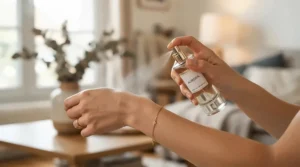
Getting a combo to actually work on skin — not just in your head — comes down to sequencing and restraint. Start with your lightest, freshest fragrance first, applied to pulse points (wrists, inner elbows, base of throat), and give it roughly 60-90 seconds to settle before adding anything else. Jo Malone’s own scent-layering guidance reinforces this order, advising wearers to start with lighter scents as a base before building up with richer, deeper notes on top. A common first-30-days mistake is spraying both fragrances simultaneously in the same spot — this muddies the blend instead of letting each note class do its job. Instead, apply your base to two or three points, then your topper to one or two different points, letting them meet in the air rather than collide directly on skin. Maintenance-wise, store both bottles away from direct sunlight and bathroom humidity, which degrades fragrance compounds faster than almost anything else. One optimization trick Amazon listings never mention: test new combos on a fabric swatch or paper strip first, since skin chemistry varies enough that a combo loved by a reviewer online might smell completely different on you.
Real-Life Scent Layering Scenarios: Find Your Match
The commuting professional: wears Jo Malone London Wood Sage & Sea Salt to the office as a clean, inoffensive base, then adds Jo Malone London Peony & Blush Suede before an evening event straight from work — same anchor, instantly dressier finish, zero extra bag space needed.
The budget-conscious student: starts with the Skylar Eau de Parfum Discovery Spray Sampler Set to identify a preferred base without committing to a full bottle, then graduates to a full-size Skylar Vanilla Sky Eau de Parfum once a favorite combo emerges — total spend stays well under what a single designer bottle would cost.
The curious gift-giver: picks up the Maison Margiela REPLICA Memory Box Fragrance Sampler Set for a friend who’s never layered before, letting them discover their own favorite pairing from eight options rather than guessing what a single bottle might suit them.
Your Buyer’s Decision Framework for a Scent Layering Starter Set
If you’ve never layered before, choose a set over single bottles — the pairing has already been engineered for you, which removes the biggest beginner risk. If you know your preferred scent family (fresh, gourmand, floral) but haven’t picked specific bottles, choose a single strong anchor first, then shop toppers around it. If budget is the deciding factor, prioritize sample-size sets over full bottles until you’ve confirmed you actually enjoy the ritual of layering daily — plenty of people love the idea and abandon the practice within a month. If sensitive skin is a concern, prioritize hypoallergenic, clean-formula brands over heavier niche or designer lines, since doubling fragrance exposure doubles reaction risk too.
How to Choose Perfumes for Layering Everyday Scents
- Identify your anchor profile first — fresh, woody, or gourmand — since everything else builds from this base.
- Prioritize lower-sillage scents as your base layer so a second fragrance can actually shine through it.
- Choose complementary, not competing, note families for your topper — contrast works better than duplication.
- Test on paper before skin to avoid wasting product on a combo that clashes.
- Start with sets, not full bottles, until you’ve confirmed your preferred pairing.
- Factor in skin sensitivity — hypoallergenic formulas reduce irritation risk when layering.
- Budget for two bottles, not one, since layering inherently doubles your fragrance spend.
Common Mistakes When Buying Perfumes That Pair Well Together
The single biggest mistake is buying two strong, heavy fragrances and expecting them to blend gracefully — two base-note-heavy scents almost always compete rather than combine. A close second is skipping the patch-test step entirely; what smells incredible on a forum post can smell muddy on your own skin chemistry within the hour. Shoppers also frequently overspend by buying two full-size designer bottles for an untested combo instead of starting with a discovery set — an expensive way to learn a pairing doesn’t work. Finally, people often apply both scents to the exact same skin point, which blends them too aggressively instead of letting each note class breathe independently.
Fragrance Layering Technique vs Wearing a Single Signature Scent
A single signature scent has real advantages: consistency, simplicity, and zero risk of a bad pairing. But it has a ceiling — one bottle can’t flex between a Tuesday commute and a Saturday dinner without smelling slightly wrong for one of them. Layering trades that consistency for range: the same anchor scent can read fresh and office-appropriate in the morning, then warm and evening-appropriate with a second spray added before dinner. The tradeoff is cost and complexity — you’re managing two bottles instead of one, and a bad combo can genuinely smell worse than either fragrance alone. For most people, the smart middle ground is a single reliable anchor (something like Jo Malone London Wood Sage & Sea Salt) paired with one or two rotating toppers, rather than trying to master five different combos at once.
Complementary Scent Notes: The Features That Actually Matter
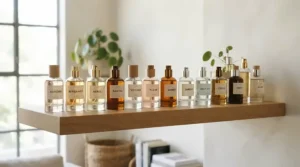
Not every “matching notes” claim on a product page is useful. What actually matters is volatility contrast — pairing a fast-evaporating top note (citrus, light florals) with a slow-releasing base note (vanilla, musk, woods) so the combo evolves rather than collapsing into a single flat smell. Maison Margiela’s own layering guidance describes this exact principle, noting wearers can choose to complement a strong base with lighter notes, or pair two powerful scents together for a bolder effect — but the former is far more forgiving for beginners. Marketing terms like “universally layerable” matter less than checking whether a scent’s dominant note family is fresh/citrus (great base), floral/spicy (great mid-layer), or woody/gourmand (great topper) — that three-tier logic predicts pairing success better than any brand claim.
Long-Term Cost & Maintenance of Your Layering Wardrobe
| Approach | Upfront Cost | Cost-Per-Wear Over 1 Year | Best For |
|---|---|---|---|
| Two full designer bottles | $150-$190 | Lower over time, high upfront risk | Confirmed layering fans |
| Starter duo/sampler set | $25-$75 | Higher per-wear, low risk | Beginners testing combos |
| Single budget anchor + topper | $30-$50 | Lowest overall | Budget-conscious experimenters |
The math favors starting cheap: a Zara Orchid Eau de Parfum paired with a Skylar Vanilla Sky Eau de Parfum costs a fraction of two Jo Malone London bottles, and if the combo doesn’t work for your skin chemistry, you’ve lost $85 instead of $170. Maintenance costs are minimal beyond replacement — proper storage away from heat and light is really the only “upkeep” fragrance requires, but it meaningfully extends how long a bottle stays true to its original formula.
Safety, Regulations & What’s Actually in Your Layered Scent
Fragrance ingredients aren’t unregulated, even though it can feel that way reading a vague “fragrance” line on an ingredients list. The International Fragrance Association maintains safety standards that restrict or prohibit specific ingredients based on independent scientific risk assessment, and every reputable perfume house and fragrance supplier globally formulates against these standards, whether or not their home country has fragrance-specific legislation. For layering specifically, this matters because doubling your fragrance exposure means doubling your exposure to any ingredient you might be sensitive to — which is exactly why hypoallergenic, IFRA-compliant formulas like Skylar’s are worth prioritizing if you have reactive skin, and why patch-testing any new combo for 24 hours is a reasonable precaution before wearing it all day.
Scent Layering for Beginners vs Fragrance Collectors
Beginners should optimize for low risk: sets with pre-tested pairings, sample sizes over full bottles, and hypoallergenic formulas that forgive experimentation. The Maison Margiela REPLICA Mini Duo and Skylar Discovery Spray Sampler Set exist almost entirely for this stage. Collectors, on the other hand, usually already own a rotation and are hunting for unexpected pairings — contrasting note families, unusual base-and-topper combos, or seasonal-specific stacking that a beginner set wouldn’t include. For that crowd, single premium bottles like Jo Malone London Peony & Blush Suede offer more room to experiment against an existing collection than a pre-packaged set ever could.
FAQ
❓ Is it bad to layer two perfumes every day?
❓ Should I spray perfume on clothes or skin when layering?
❓ How many sprays should I use when layering two perfumes?
❓ Can I layer perfume over lotion for longer-lasting scent?
❓ What's the cheapest way to start layering perfumes?
Conclusion
Perfumes for layering everyday scents aren’t really about finding one perfect bottle — they’re about building a small, flexible toolkit that adapts to your actual life instead of asking your life to adapt to one fixed scent. Whether you start with a $30 starter duo or work your way up to a premium Jo Malone pairing, the underlying skill is the same: light before heavy, patch-test before committing, and don’t be afraid to abandon a combo that doesn’t work on your specific skin. Personal scent customization isn’t a luxury reserved for perfume collectors with a shelf full of bottles — it’s genuinely accessible starting today, with sets built specifically to teach you the ropes. Pick one anchor, one topper, and give yourself permission to experiment.
Recommended for You
- Unisex Everyday Perfume: 7 Honest Picks Worth Trying In 2026
- Citrus Perfume For Summer Daily Wear: 7 Zesty Picks (2026)
- Perfume For Sensitive Skin Daily Use: 7 Gentle Picks (2026)
Disclaimer: This article contains affiliate links. As an Amazon Associate, I earn from qualifying purchases. If you purchase products through these links, we may earn a small commission at no additional cost to you.
✨ Found this helpful? Share it with your friends! 💬🤗
