In This Article
You know that moment when a scent stops you in your tracks? That’s what happened to me the first time I encountered a real jasmine sambac fragrance. Unlike its cousin Jasminum grandiflorum, this exotic night flower opens after sunset, releasing an aroma so captivating that cultures across Asia have revered it for centuries. We’re talking about the national flower of the Philippines and Indonesia—a bloom that’s woven into wedding ceremonies, religious rituals, and yes, some of the most sought-after perfumes money can buy.
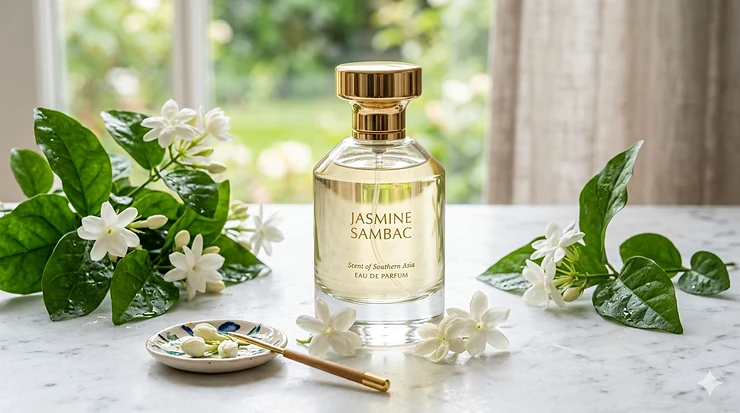
What makes jasmine sambac fragrance so special? For starters, it’s rarer and more complex than common jasmine varieties. The scent profile leans greener, fruitier, with tea-like undertones that distinguish it from the creamier jasmine grandiflorum. This arabian jasmine perfume carries notes of orange blossom, honey, and subtle animalic musk—creating a sensual jasmine sambac experience that’s both fresh and deeply intoxicating. Whether you’re exploring luxury jasmine sambac perfume or budget-friendly options, this guide walks you through seven exceptional choices that deliver the authentic night blooming jasmine scent you’re craving.
In 2026, the perfume industry has finally caught up to what India’s flower markets have known for millennia: jasmine sambac deserves its own spotlight. From niche perfumers sourcing flowers hand-picked at dawn in Madurai to accessible options that let anyone experience this arabian white floral magic, there’s never been a better time to discover this intoxicating jasmine variety.
Quick Comparison Table
| Product | Type | Size | Price Range | Best For |
|---|---|---|---|---|
| Jo Malone Jasmine Sambac & Marigold | Cologne Intense | 1.7 – 3.4 oz | $$$$ | Luxury seekers |
| Dimraj Creations Jasmine Sambac Attar | Concentrated Oil | 10ml | $ | Budget conscious |
| JASMINE Solid Balm | Solid Perfume | Travel Size | $$ | On-the-go |
| Zoha Jasmine Bloom | Roll-On Oil | 6ml | $ | Daily wear |
| St James Gardenia & Sambac | Parfum | 1.69 oz | $$$ | Evening elegance |
| H HABIBI Jasmine Oud | Eau de Parfum | 2.5 oz | $$ | Oriental fusion |
| GreenPlanet Arabian Jasmine | Fragrance Oil | 0.33 oz | $ | Layering base |
💬 Just one click – help others make better buying decisions too! 😊
Top 7 Jasmine Sambac Fragrances: Expert Analysis
1. Jo Malone London Jasmine Sambac & Marigold Cologne Intense
When you’re ready to invest in the real deal, Jo Malone Jasmine Sambac & Marigold delivers that “I smell expensive” confidence. This cologne intense showcases sambac jasmine at its finest, blending it with vibrant marigold and honeyed benzoin resin. The British perfume house didn’t hold back—they crafted a concentration that actually lasts, which is saying something for Jo Malone.
Key Specs:
- Available in 1.7 oz and 3.4 oz bottles
- Cologne intense concentration (stronger than regular colognes)
- Features ylang-ylang, honey, and balmy base notes
Price: $150-$280 depending on size
The opening hits you with sweet jasmine sambac and marigold that feels simultaneously fresh and golden. As it settles, warmth creeps in—think vanilla-tinged honey with woody undertones. Customer feedback consistently praises its realistic floral quality and impressive longevity for the brand. One reviewer noted it “smells super, SUPER realistic” and works beautifully across all seasons except scorching summer days.
✅ Pros:
- Premium quality ingredients
- Long-lasting for a cologne
- Versatile enough for office or evening
❌ Cons:
- Steep price point
- May be too sweet for minimalist tastes
Perfect for: Those who want a luxury jasmine sambac perfume that commands attention without screaming for it.
2. Dimraj Creations Jasmine Sambac Attar
Here’s where we flip the script on expensive perfumes. Dimraj Creations brings authentic jasmine sambac perfume in traditional Indian attar form—concentrated perfume oil that goes the distance without the alcohol burn. At around $15-20 for 10ml, this is your gateway to understanding what real sambac smells like without refinancing your house.
Key Specs:
- 10ml concentrated perfume oil
- Alcohol-free formula
- Traditional Indian attar craftsmanship
Price: $15-20
Attars work differently than spray perfumes. You dab a tiny amount on pulse points, and the oil warms with your body heat, creating an intimate scent bubble. This particular jasmine sambac attar captures the heady, slightly indolic character of the bloom—it’s rich, it’s authentic, and it’s got staying power that’ll outlast most eau de parfums. Users appreciate its affordability and true-to-flower aroma, though some mention the intensity takes getting used to.
✅ Pros:
- Exceptional value for authentic sambac
- Long-lasting oil-based formula
- Great for layering with other scents
❌ Cons:
- Strong concentration may overwhelm beginners
- Limited availability
Perfect for: Fragrance enthusiasts on a budget and anyone curious about traditional perfume oils.
3. JASMINE Solid Perfume Balm with Sambac & Grandiflorum
Travel-friendly and TSA-approved, this solid perfume balm combines both jasmine sambac and jasmine grandiflorum for a fuller white floral experience. The brand takes pride in using real jasmine absolutes (not synthetic knockoffs) blended into natural waxes and carrier oils. It’s basically a bouquet you can carry in your pocket.
Key Specs:
- Solid balm format in portable tin
- Blend of sambac, grandiflorum, gardenia, magnolia, white champaca
- All-natural plant-derived ingredients
Price: $25-35
What I love about solid perfumes: they’re intimate. You control exactly how much you apply, they don’t spill in your bag, and the scent evolves beautifully on skin throughout the day. This particular formula starts with bright jasmine notes that gradually deepen into creamy, slightly green floral territory. Fair warning—it may melt if shipped in hot weather, so refrigerate upon arrival if it’s summer.
✅ Pros:
- Travel-friendly solid format
- Natural ingredients with real jasmine absolutes
- Moisturizing for skin
❌ Cons:
- Can melt in high temperatures
- Smaller scent throw than sprays
Perfect for: Frequent travelers and natural beauty enthusiasts who want portable night blooming jasmine scent.
4. Zoha Jasmine Bloom Roll-On Perfume Oil
Zoha Jasmine Bloom sits in that sweet spot between accessible and quality. This 6ml roller delivers fresh jasmine with jasmine nectar and white floral notes—all wrapped up in an alcohol-free oil base that plays nice with sensitive skin. At under $20, it’s the everyday jasmine sambac perfume you’ll actually use.
Key Specs:
- 6ml roller ball applicator
- Alcohol-free perfume oil
- Features jojoba and marula oil base
Price: $12-18
The magic of Zoha lies in its blended note structure. Unlike single-note oils, this one layers top, middle, and base notes for a more complex fragrance journey. It starts bright and jasmine-forward, then mellows into a skin-like scent that feels clean and sophisticated. Multiple reviewers mention getting compliments and appreciate the travel-friendly size. The alcohol-free formula means it won’t dry out your skin, and some folks even mix it with hair oil for scented locks.
✅ Pros:
- Affordable daily wear option
- Skin-friendly formula
- Consistent scent from application to dry-down
❌ Cons:
- Moderate longevity (4-6 hours)
- Less complex than pure attars
Perfect for: Anyone wanting a reliable, wear-anywhere jasmine fragrance without commitment issues.
5. St James of London Gardenia & Sambac Jasmine Parfum
When you need elegant sophistication with a British accent, St James of London delivers. This parfum strength fragrance weaves jasmine sambac into a lush bouquet with gardenia, white tuberose, orange blossom, and ylang-ylang. It’s the scent equivalent of a silk evening gown—refined, slightly formal, utterly captivating.
Key Specs:
- 1.69 oz parfum concentration
- Complex white floral composition
- Includes ambered sage, pepper berry, benzoin, spiced musk
Price: $75-95
The opening bursts with gardenia and sambac jasmine in equal measure, creating a bold white floral statement. What keeps it from tipping into “too much” territory? Those unexpected notes of ambered sage and pepper berry add edge and contemporary appeal. The base settles into warm benzoin and spiced musk—perfect for cooler months or evening occasions when you want to leave an impression.
✅ Pros:
- Parfum strength for excellent longevity
- Sophisticated white floral blend
- Unisex appeal despite marketing
❌ Cons:
- May overwhelm in hot weather
- Limited availability in some regions
Perfect for: Special occasions and anyone who loves sensual jasmine sambac in a luxury white floral context.
6. H HABIBI Jasmine Oud Absolute Eau de Parfum
Here’s where East truly meets West. H HABIBI takes jasmine sambac and marries it with oud, leather, and warm spices for an arabian jasmine perfume that’s both exotic and wearable. At 25% oil concentration, this eau de parfum punches way above its $40-50 price point.
Key Specs:
- 75ml / 2.5 oz bottle
- 25% perfume oil concentration
- Opens with black pepper and cardamom
Price: $40-55
The composition unfolds in layers: spicy top notes (black pepper, cardamom) give way to floral heart (jasmine sambac, osmanthus, ylang-ylang), before settling into that gorgeous oud-leather-musk base. It’s the scent for someone who finds pure florals a bit one-dimensional but still craves that jasmine magic. Users praise its longevity and smooth projection—it lingers beautifully without choking out everyone in the elevator.
✅ Pros:
- Excellent value for high concentration
- Unique jasmine-oud combination
- Long-lasting formula (8+ hours)
❌ Cons:
- Oud note may not appeal to everyone
- Leans more evening than daytime
Perfect for: Fragrance adventurers who want their exotic night flower with a sultry, woody twist.
7. GreenPlanet-Organics Arabian Jasmine Fragrance Oil
Last but definitely not least, this Arabian Jasmine Fragrance Oil proves good things come in small bottles. At 0.33 oz and priced under $15, it’s your experimenting-without-commitment option. The formula keeps things subtle and Eastern-inspired, perfect for casual wear or as a layering base.
Key Specs:
- 0.33 oz roll-on bottle
- 100% vegan, alcohol-free base
- Gentle Eastern floral notes
Price: $10-15
What makes this stand out? The subtlety. It’s not trying to announce your arrival three rooms away. Instead, it creates an intimate scent experience that starts light and gradually reveals itself throughout the day. The formula uses skin-safe, irritant-free base oils, making it suitable for those with sensitivities. Multiple customers note it’s ideal for work environments where strong scents are frowned upon.
✅ Pros:
- Budget-friendly entry point
- Subtle, workplace-appropriate
- Vegan and skin-friendly
❌ Cons:
- Very light projection
- May need reapplication
Perfect for: Beginners exploring jasmine sambac fragrance and anyone needing a gentle, unobtrusive option.
✨ Don’t Miss These Exclusive Deals!
🔍 Ready to experience the intoxicating jasmine variety for yourself? These carefully selected jasmine sambac fragrances bring the arabian white floral magic right to your doorstep. Click on any highlighted product above to check current pricing and availability. Whether you’re after sensual jasmine sambac or a subtle everyday scent, there’s an option here that’ll make you wonder why you waited so long!
What Is Jasmine Sambac Fragrance?
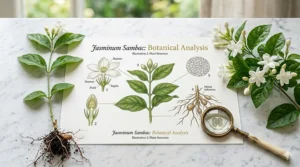
Jasmine sambac fragrance comes from the flowers of Jasminum sambac, an evergreen shrub native to South and Southeast Asia. Unlike common jasmine (Jasminum officinale) or jasmine grandiflorum, this arabian jasmine perfume source offers a distinctly greener, fruitier, and more complex aroma profile. The plant is an evergreen vine or shrub reaching up to 0.5 to 3 meters tall, widely cultivated for its attractive and sweetly fragrant flowers.
What sets jasmine sambac apart? For starters, the flowers bloom at night—typically opening between 6-8 PM and closing by morning. This nocturnal blooming cycle means the aromatic oils are most concentrated when harvested at dawn, which is why experienced perfumers insist on morning-picked blooms. The scent itself combines sweet white floral notes with tea-like freshness, hints of orange blossom, and subtle berry undertones that jasmine grandiflorum simply doesn’t possess.
In perfumery, jasmine sambac fragrance is extracted primarily through solvent extraction to create an absolute—a highly concentrated aromatic material. According to research published by the National Institutes of Health, the flowers contain aromatic compounds including benzyl alcohol, linalool, benzyl acetate, methyl jasmonate, and benzyl benzoate, which together create that intoxicating profile. The complexity explains why luxury jasmine sambac perfume commands premium prices and why niche perfumers treasure this ingredient.
Beyond its olfactory appeal, jasmine sambac holds deep cultural significance. It serves as the national flower of the Philippines (where it’s called sampaguita) and Indonesia (known as melati putih), featuring prominently in wedding ceremonies and religious offerings throughout Southeast Asia. The Missouri Botanical Garden notes that in Hawaii, the flowers are commonly used in leis and called pikake. When you wear jasmine sambac fragrance, you’re not just wearing a pretty scent—you’re carrying centuries of tradition and symbolism.
The Science Behind Night Blooming Jasmine Scent
Ever wondered why jasmine sambac smells so different from other white florals? The answer lies in its unique chemical composition and evolutionary biology. This exotic night flower has adapted to attract nocturnal pollinators, resulting in a fragrance profile that intensifies after sunset—a trait that perfumers have exploited brilliantly.
Chemical Complexity
Jasmine sambac produces its distinctive aroma through various compounds including linalool, benzyl acetate, jasmine lactone, methyl jasmonate, and benzyl benzoate. This cocktail creates layers: the fresh opening (linalool), the honeyed sweetness (benzyl acetate), the indolic depth (jasmine lactone), and the musky dry-down (benzyl benzoate). It’s why a good jasmine sambac perfume evolves so beautifully on skin over hours.
The green, tea-like character comes from higher concentrations of certain aldehydes compared to jasmine grandiflorum. Meanwhile, the subtle animalic or “dirty” notes—that sensuality people can’t quite name—stem from indole, a compound that in tiny amounts smells lush and floral, but in concentration becomes almost fecal. It’s this edge that makes sensual jasmine sambac so memorable and occasionally polarizing.
The Extraction Challenge
Creating authentic jasmine sambac fragrance isn’t cheap or easy. As Fragrantica’s perfume encyclopedia explains, eight million hand-picked flowers (about 1000 kg) are required to make 2.3 kilos of concrete, which yields just 1 kilogram of absolute. That math explains why real sambac absolute costs more per gram than gold. The flowers must be processed immediately after harvest, as their aromatic compounds degrade rapidly once picked.
Modern extraction uses either solvent extraction or enfleurage (though the latter is increasingly rare). Solvent extraction produces jasmine absolute—the thick, amber-colored paste you’ll see referenced in perfume notes. CO2 extraction is gaining popularity among natural perfumers, as it captures a more complete aromatic profile while avoiding chemical residues. When you see “jasmine sambac absolute” in a luxury jasmine sambac perfume, you’re looking at one of perfumery’s most expensive and precious materials.
Why It Smells Different on Everyone
Here’s where body chemistry enters the chat. Jasmine sambac fragrance contains compounds that react differently with skin pH, natural oils, diet, and even medications. Someone with slightly acidic skin might experience the greener, tea-like notes more prominently, while alkaline skin chemistry can amplify the sweeter, honey-like aspects.
Temperature matters too. The warmer your skin (pulse points, anyone?), the more these aromatic molecules vaporize and project. This explains why the same jasmine sambac perfume can whisper on one person and sing on another. It’s not the fragrance lying to you—it’s chemistry being honest about your uniqueness.
Jasmine Sambac vs Jasmine Grandiflorum: Know Your Florals
Let’s clear up the confusion, because not all jasmine is created equal. While both species belong to the genus Jasminum, jasmine sambac and jasmine grandiflorum might as well be distant cousins who only see each other at family reunions. Understanding the difference will transform how you shop for jasmine fragrances.
Aroma Profile Differences
Jasmine grandiflorum delivers that classic perfume-counter jasmine—creamy, buttery, with powdery undertones that feel familiar and comforting. It’s the jasmine your grandmother probably wore. Jasmine grandiflorum has more depth and is a bit creamy and buttery, whereas jasmine sambac is brighter with almost more of a berry scent. The sambac variety leans fresher, greener, with prominent tea notes and unexpected fruity facets that keep you guessing.
Think of it this way: grandiflorum is Audrey Hepburn—elegant, refined, instantly recognizable. Jasmine sambac is more like Tilda Swinton—striking, a bit unpredictable, impossible to ignore. Both beautiful, completely different energy.
Geographic Origins
Jasminum sambac is native to Bhutan and India, now cultivated widely across West Asia, South Asia, and Southeast Asia. The most prized sambac comes from India’s Madurai region, where it holds Geographical Indication protection—the perfume equivalent of Champagne’s AOC status. Meanwhile, jasmine grandiflorum thrives in France (particularly Grasse), India, Egypt, and Morocco.
Climate affects aroma. The hot, humid conditions where sambac flourishes produce flowers with higher indole content—that slightly animalic quality that makes the scent more complex and yes, more intoxicating. Grandiflorum’s Mediterranean growing regions yield a softer, rounder floral profile.
In Perfume Formulations
Perfumers use these jasmine varieties differently. Jasmine grandiflorum typically anchors classic floral bouquets—think Chanel No. 5, Joy by Jean Patou. It plays well with roses, creates that “expensive French perfume” vibe, and provides creamy depth to compositions.
Jasmine sambac brings edge and modernity. It can function as a top note due to its brightness, unlike grandiflorum which typically sits in the heart. You’ll find it in contemporary fragrances that want a fresher take on white florals—Merit’s bestseller, Jo Malone’s cologne intense, Chloé’s Atelier des Fleurs line. It pairs beautifully with citrus, works surprisingly well with woods and spices, and can even handle gourmand notes without becoming cloying.
Price Point Reality
Because of lower yields and more difficult cultivation, authentic jasmine sambac absolute costs significantly more than grandiflorum. This trickles down to retail: a luxury jasmine sambac perfume will typically run $20-50 more than a comparable grandiflorum-based scent. Many affordable jasmine fragrances use synthetic jasmine or a grandiflorum base simply because sambac absolute blows the budget.
When you’re shopping, check the notes list. If it specifically mentions “jasmine sambac” or “arabian jasmine,” you’re likely getting the real deal (or at least a synthetic recreation of it). Generic “jasmine” usually means grandiflorum or a blended synthetic. Neither is better or worse—just different tools in the perfume kit.
How to Choose Your Perfect Jasmine Sambac Fragrance
Walking into the jasmine sambac fragrance world can feel overwhelming, especially with options ranging from $10 attars to $300 luxury extraits. Here’s how to navigate the noise and find your soulmate scent without buyer’s remorse or a depleted bank account.
Consider Your Scent Preferences
Love fresh and green? Look for jasmine sambac fragrances that emphasize the tea-like, slightly vegetal aspects. Jo Malone’s Jasmine Sambac & Marigold hits this note, as does Chloé’s Atelier des Fleurs. These work beautifully for daytime and warmer months.
Crave deep and sensual? Opt for formulations that pair sambac with amber, woods, or oud. H HABIBI’s Jasmine Oud Absolute exemplifies this category—rich, complex, perfect for evening wear. St James of London’s blend adds gardenia and tuberose for amplified white floral intensity.
Prefer subtle and intimate? Perfume oils and attars are your friends. Dimraj Creations’ attar, Zoha’s roll-on, or GreenPlanet’s fragrance oil create close-to-skin scent experiences that don’t announce your arrival. They’re also fantastic for layering.
Decide on Format
Spray perfumes offer convenience and projection. They’re grab-and-go, TSA-friendly (under 3.4oz), and provide that satisfying spritz ritual. Downside: alcohol can dry skin, and scent dissipates faster than oils.
Perfume oils last longer on skin, won’t trigger alcohol sensitivities, and allow precise application. They’re economical (a little goes far) and travel beautifully. However, they require direct skin application and have smaller sillage—people won’t smell you from across the room.
Solid perfumes split the difference. Portable, moisturizing, no spill risk, but more intimate projection. Perfect for touch-ups throughout the day or testing a scent before committing to a full bottle.
Budget Wisely
Under $20: Start with perfume oils like Zoha Jasmine Bloom or GreenPlanet’s Arabian Jasmine. These let you explore jasmine sambac without financial anxiety. Perfect for beginners or those building a layering collection.
$20-$100: Mid-range options like H HABIBI or solid balms offer better longevity and more complex formulations. This sweet spot gives you quality ingredients without luxury markup.
$100+: Luxury territory—Jo Malone, Tom Ford’s Jasmin Rouge, niche perfumes. You’re paying for prestige branding, premium naturals, and sophisticated compositions. Worth it if fragrance is your hobby or you want something truly special.
Test Before You Buy
Online shopping complicates fragrance buying, but here’s the workaround: many brands offer sample programs. Jo Malone does discovery sets. Niche perfume sites sell 1-2ml samples for a few dollars. Even Amazon listings sometimes include mini rollers.
When testing, give scents 4-6 hours on skin. That initial spritz? That’s not the real fragrance—it’s the top notes screaming for attention. The middle and base notes, which develop over hours, determine whether you’ll actually enjoy wearing it. Apply to a pulse point, go about your day, check in periodically.
Also, test on a day you’re not wearing other scented products. That jasmine sambac perfume might smell amazing in the bottle but clash horribly with your coconut body lotion. Start with a clean canvas.
Read Between the Reviews
Customer reviews matter, but with caveats. Someone saying “too strong” might have a sensitive nose, while “didn’t last” could mean they applied too sparingly. Look for patterns: if ten reviews mention quick fading, that’s real. If one person says it gave them a headache, that’s individual sensitivity.
Pay special attention to reviews from people with similar skin chemistry or scent preferences. Someone who loves “fresh, clean scents” and hates “heavy orientals” will have opposite opinions from someone with sultry, spicy tastes. Find your tribe in the review section.
Where Jasmine Sambac Fragrance Comes From
The story of your jasmine sambac perfume doesn’t start in a French perfumery or a sleek laboratory—it begins in humid flower fields across Asia, where tradition and agriculture intersect in the earliest hours of the morning. Understanding this origin adds depth to every spritz.
Madurai: The Jasmine Capital
In Madurai, India, located in Tamil Nadu, jasmine sambac cultivation is much more than a livelihood—it’s a way of life, an art form that is inseparable from worship, local lore, and contemporary culture. The city’s flower markets buzz before dawn as pickers arrive with their night’s harvest, the blooms still cool from evening air.
The flowers, known locally as Madurai Malli, received a Geographical Indication Tag in January 2001, ensuring that no one else worldwide can lay claim to this specific jasmine’s reputation. According to a comprehensive review published in the International Journal of Pharmaceutical Sciences, this protection matters because Madurai’s particular climate, soil composition, and centuries-old cultivation techniques produce blooms with an aroma profile that differs subtly from sambac grown elsewhere.
Walk through a Madurai flower market at 5 AM, and you’ll see women threading jasmine buds into garlands with practiced speed, their fingers moving so fast they blur. These same flowers might end up as temple offerings by 7 AM or in a distillery by noon, destined to become the jasmine sambac absolute in your luxury perfume.
The Harvest Ritual
Timing is everything. Jasmine sambac flowers open at night, usually around 6-8 in the evening, and close by morning—a span of just 12-20 hours. Pickers work by moonlight or lamplight, gently plucking blooms at peak fragrance. Wait too long, and the flowers lose aromatic intensity. Pick too early, and they haven’t fully developed their complex scent profile.
This nocturnal schedule means jasmine farming isn’t for everyone. It’s generational knowledge passed down through families, often by women who can identify peak harvest readiness by touch alone. One flower market vendor told researchers she can “feel” when a bud is ready—it’s a particular plumpness, a certain give under gentle pressure.
From Flower to Fragrance
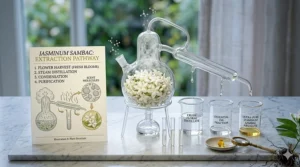
The journey from harvest to your bottle involves multiple steps, each carefully controlled. Fresh flowers arrive at processing facilities within hours. Most jasmine sambac fragrance is extracted via solvent extraction: flowers are layered in tanks with hexane or other solvents, which draw out the aromatic molecules. After filtering, the solvent is evaporated off, leaving behind concrete—a waxy, aromatic paste.
This concrete then gets washed with alcohol, which separates the pure jasmine absolute from plant waxes. What remains is a thick, amber-colored liquid that’s about 20-30% fragrance compounds by weight—incredibly concentrated, incredibly precious, incredibly expensive. One kilogram of this absolute might service multiple perfume houses internationally.
Some artisan producers still use enfleurage, the ancient technique of spreading flowers on fat-covered glass plates. The fat absorbs the fragrance over days, then gets washed with alcohol to extract the absolute. It’s labor-intensive, yields slightly different aromatic profiles, and is mostly limited to small-batch, ultra-luxury productions.
Beyond India
While Madurai dominates quality sambac production, the flowers grow throughout tropical and subtropical Asia. The Philippines cultivates sampaguita (their name for jasmine sambac) extensively, though much goes to local garland markets rather than international perfumery. Indonesia, China, and parts of Southeast Asia also grow commercial crops.
The plant has naturalized in scattered locations including Madagascar, the Maldives, Christmas Island, Central America, southern Florida, the Bahamas, Cuba, and several Caribbean islands. However, naturalized populations rarely reach commercial viability for perfumery—the cultivation expertise, harvest infrastructure, and extraction facilities remain concentrated in traditional growing regions.
The Best Ways to Wear Night Blooming Jasmine Scent
You’ve got your jasmine sambac fragrance—now what? How you apply, layer, and style it determines whether it sings or falls flat. These aren’t rigid rules but starting points for making that intoxicating jasmine variety work with your lifestyle, skin chemistry, and personal brand.
Application Techniques That Actually Work
Pulse points get talked about endlessly, but here’s why they actually matter: warmth. Your wrists, neck, behind ears, inner elbows, and behind knees generate more heat than other areas, which helps vaporize those fragrance molecules. For oil-based jasmine sambac perfumes (like attars or roll-ons), this is crucial—they need that warmth to bloom.
For spray perfumes, hold the bottle 6-8 inches from skin and apply 2-3 spritzes maximum. Common mistake: rubbing wrists together after application. Don’t. This crushes fragrance molecules and alters the scent profile. Instead, let it air-dry naturally.
With solid perfumes, warm a tiny amount between your fingers first, then dab onto pulse points. The friction generates just enough heat to soften the balm. Less is more—you can always add, but you can’t subtract once you’ve over-applied.
Layering Like a Pro
Here’s where jasmine sambac fragrance gets interesting. Its complex profile plays beautifully with other scents if you know what you’re doing.
With citrus: Layer jasmine sambac over a light bergamot or yuzu body oil. The bright citrus amplifies the tea-like facets of sambac while adding lift. Try this combination for summer or daytime wear.
With vanilla: Apply a vanilla-based lotion or oil first, then your jasmine sambac fragrance. The sweetness of vanilla enhances the honeyed aspects of sambac without going full gourmand. Evening-appropriate and surprisingly sophisticated.
With woods: Cedarwood or sandalwood body oils beneath jasmine sambac create depth and longevity. The woods anchor the floral, preventing it from floating away too quickly. Excellent for those who find pure florals too fleeting.
With musk: White musk particularly works magic with jasmine sambac. It extends wear time, adds sensuality, and creates that “your skin but better” effect. Many perfume oils already contain musk bases, but you can layer clean musk on pulse points before applying jasmine.
Timing and Occasions
Morning/daytime: Opt for lighter applications of jasmine sambac fragrance—1-2 spritzes or a small dab of oil. The fresher sambac scents (those emphasizing green and tea notes) work best for office environments. Solid perfumes excel here because they stay close to skin.
Evening/nighttime: This is when sensual jasmine sambac shines. Layer generously, choose richer formulations (those with amber, oud, or heavy florals), and don’t be shy. Jasmine sambac’s nocturnal nature means it actually smells more appropriate after sunset. The indolic notes that might seem bold at noon feel luxurious at 8 PM.
Special occasions: Weddings, dates, celebrations—these call for your luxury jasmine sambac perfume. Spray hair lightly (fragrance clings to hair longer than skin), apply to décolletage, and don’t forget wrists. You want movement to release wafts of scent throughout the event.
Gym/casual: Yes, you can wear jasmine sambac casually. Choose subtle options like Zoha or GreenPlanet oils. Apply sparingly—just behind ears or inner elbows. The goal is a personal scent bubble, not a fragrance announcement.
Seasonal Considerations
Spring/Summer: Jasmine sambac’s freshness actually suits warmer weather despite being an “exotic night flower.” Stick to lighter concentrations, emphasize the green and tea-like aspects, and apply less than you would in winter. The heat amplifies projection, so less truly is more.
Fall/Winter: Layer up! Cooler weather mutes fragrance, so you can apply more generously without overwhelming. This is when those richer jasmine sambac compositions (the ones with oud, amber, vanilla) really shine. Spray on clothing too—wool and cashmere hold scent beautifully.
Storage and Longevity
Keep jasmine sambac fragrance away from light and heat. That beautiful vanity display by your sunny window? Terrible idea. UV light degrades aromatic compounds, and temperature fluctuations cause oxidation. Store bottles in cool, dark places—closets, drawers, or even the fridge for oils.
Properly stored, spray perfumes last 3-5 years, oils even longer. You’ll know it’s turned when the color darkens significantly or the scent takes on harsh, metallic notes. Natural perfumes oxidize faster than synthetic ones, so use them relatively quickly.
Comparing Jasmine Sambac Fragrance Formats
| Format | Longevity | Projection | Price/ml | Best For | Portability |
|---|---|---|---|---|---|
| Eau de Parfum | 6-8 hours | High | $$$ | Statement scents | Moderate |
| Perfume Oil | 8-12 hours | Low-Medium | $-$$ | Intimate wear | Excellent |
| Solid Balm | 4-6 hours | Low | $$ | Travel | Excellent |
| Attar | 10-14 hours | Medium | $-$$$ | Layering | Excellent |
| Cologne Intense | 8-10 hours | High | $$$$ | Luxury | Moderate |
The Cultural Significance You’re Wearing
When you choose jasmine sambac fragrance, you’re not just picking a pleasant smell—you’re carrying forward traditions that predate modern perfumery by centuries. This matters more than you might think. Context enriches experience.
Sacred Blooms
In the Philippines, jasmine sambac was adopted as the national flower on February 1, 1934. Called sampaguita locally, the flowers are woven into garlands that adorn religious statues, bless new homes, and welcome honored guests. Brides wear sampaguita crowns, and during All Saints’ Day, families bring garlands to gravesites.
In Indonesia, jasmine sambac is known as melati putih and was adopted as a national flower in 1990. Traditional Javanese weddings feature both bride and groom adorned with jasmine, symbolizing purity and sincerity. The flowers also appear in offerings during Hindu-Balinese ceremonies.
India’s relationship with jasmine sambac runs deepest. In Madurai, the image of jasmine flowers appears in ancient temple carvings, paintings, and local jewelry, and fresh flowers serve as symbolic offerings to deities. Women thread jasmine into their hair for religious festivals, and the scent inside temples often comes from jasmine garlands rather than incense.
From Garden to Perfume
The Western perfume industry discovered jasmine sambac relatively late compared to jasmine grandiflorum. Early French perfumers focused on their local Grasse jasmine (grandiflorum), largely because it grew nearby and suited their aesthetic preferences for creamy, powdery florals. Sambac’s greener, more indolic character seemed too bold, too “exotic” for classical French perfumery.
That changed in the late 20th century as niche perfumery exploded and consumers craved novelty. Perfumers like Francis Kurkdjian and Olivier Polge began spotlighting jasmine sambac in compositions, treating it as a star rather than supporting player. The jasmine sambac absolute used in Chanel’s Gabrielle (2017) comes from Floral Concept and is prized for its rich, beautifully indolic dry-down.
Today, jasmine sambac fragrance represents a shift in perfumery philosophy—from “civilizing” raw materials to celebrating their authentic character. When you wear it, you’re participating in this evolution.
Tea Ceremony Connection
Here’s a connection most Western perfume lovers miss: jasmine sambac is the jasmine used to scent Chinese and Vietnamese jasmine tea. Jasmine sambac is normally used to perfume green tea, and a well-known Chinese folk song, Mo Li Hua, is devoted to that very variety.
Tea producers layer fresh sambac flowers with dried tea leaves overnight. The tea absorbs the floral aroma, the flowers are removed, and the process repeats multiple times for premium grades. This creates jasmine tea’s characteristic sweet-floral-green flavor—the same aromatic profile you’ll notice in quality jasmine sambac perfume.
Next time you wear your arabian jasmine perfume, brew some jasmine tea. The olfactory connection is immediate and oddly grounding—same flower, different medium, centuries-old appreciation in both contexts.
Jasmine Sambac Fragrance for Different Skin Types
Your skin affects how jasmine sambac perfume performs more than you’d think. Dry skin drinks up fragrance and projects it weakly. Oily skin amplifies and extends wear. Normal skin falls somewhere between. Let’s optimize for what you’ve got.
For Dry Skin
Problem: Fragrance evaporates quickly, seems to disappear within 2-3 hours, requires constant reapplication.
Solution strategies:
- Layer over unscented oil or lotion. Fragrance needs something to cling to—give it a base. Apply jojoba oil, unscented body butter, or petroleum jelly to pulse points before spraying or applying jasmine sambac fragrance.
- Choose oil-based formulas. Attars, perfume oils, and solid balms last longer on dry skin than alcohol-based sprays because they’re not competing with moisture loss.
- Apply to hair and clothing. Your hair and fabric hold scent better than dry skin. A light mist on a scarf, collar, or hair ends extends wear time significantly.
- Hydrate consistently. Well-moisturized skin holds fragrance better. Make body oil or rich lotion part of your routine, not just a fragrance hack.
Best products for dry skin:
- Dimraj Creations Jasmine Sambac Attar (oil base)
- JASMINE Solid Balm (moisturizing waxes)
- Zoha Jasmine Bloom (jojoba and marula oil base)
For Oily Skin
Problem: Fragrance can smell stronger, more intense, sometimes distorted from intended profile.
Solution strategies:
- Start with less. One spritz instead of three. A tiny dab of oil instead of generous application. Oily skin amplifies everything, including mistakes.
- Choose complex fragrances. Jasmine sambac’s natural complexity handles oily skin’s amplification better than simpler scents. Go for multi-layered compositions like Jo Malone or H HABIBI.
- Apply to less exposed areas. Instead of wrists (which produce more oil), try behind knees, nape of neck, or décolletage where skin is typically less oily.
- Blot first. In humid weather or after activity, blot excess oil before applying fragrance. It sits better on cleaner skin.
Best products for oily skin:
- Jo Malone Jasmine Sambac & Marigold (handles amplification gracefully)
- St James Gardenia & Sambac (complex enough to avoid distortion)
- GreenPlanet Arabian Jasmine (subtle formula won’t overwhelm)
For Sensitive Skin
Problem: Alcohol-based perfumes cause irritation, redness, itching. Some synthetic ingredients trigger reactions.
Solution strategies:
- Avoid alcohol-based formulas. Opt for perfume oils, attars, and natural solid balms. The carrier oils often soothe while delivering fragrance.
- Patch test religiously. Apply a small amount to inner elbow, wait 24 hours. No reaction? Try another spot. Slow and steady prevents regret.
- Choose natural over synthetic. While natural doesn’t automatically mean hypoallergenic, many sensitive skin types tolerate real jasmine absolute better than synthetic fragrance compounds.
- Apply to clothing and hair. Why risk skin contact if you’re reactive? Spray or dab jasmine sambac fragrance on fabrics instead.
Best products for sensitive skin:
- Zoha Jasmine Bloom (alcohol-free, natural oils)
- Dimraj Creations Attar (traditional oil-based)
- JASMINE Solid Balm (natural plant-derived ingredients)
For Combination Skin
You’re dealing with both dry and oily zones, which means strategic application becomes key.
Solution strategies:
- Map your skin. Identify oily zones (usually T-zone, chest) and dry zones (typically arms, legs). Apply accordingly—less on oily areas, more on dry.
- Use different formats. Oil-based jasmine sambac on dry areas, lighter sprays on oily zones. You can wear multiple formats simultaneously.
- Target neutral zones. Behind ears, inner elbows, and back of neck tend to be more balanced. These become your primary application points.
Best approach:
- Start with Zoha or GreenPlanet oil on dry areas
- Mist Jo Malone or similar spray lightly on clothing over oily zones
- Solid balm for touch-ups targets exactly where you want it
❓ Frequently Asked Questions
❓ How long does jasmine sambac fragrance last on skin?
❓ Is jasmine sambac perfume suitable for daily wear?
❓ What's the difference between jasmine sambac absolute and essential oil?
❓ Can men wear jasmine sambac fragrance?
❓ Why does jasmine sambac smell different at night?
Conclusion: Your Journey Into Jasmine Sambac Awaits
Here’s what we’ve covered: jasmine sambac fragrance isn’t just another white floral in the crowded perfume market. It’s a category unto itself—greener, more complex, culturally richer than its grandiflorum cousin. From budget-friendly oils like Zoha Jasmine Bloom to luxury statements like Jo Malone’s Cologne Intense, options exist for every preference and price point.
The seven fragrances detailed above represent the accessible spectrum of quality jasmine sambac perfume available in 2026. Whether you’re drawn to the arabian jasmine perfume tradition via authentic attars, prefer modern luxury formulations, or want something in between, there’s an entry point that suits your needs.
Remember the key considerations: Know whether you want fresh and green or deep and sensual. Choose the format (spray, oil, solid) that fits your lifestyle. Layer strategically to extend wear and create signature combinations. And most importantly, give fragrances time on your skin—that initial spritz isn’t the real story.
Jasmine sambac carries centuries of cultural weight, from Madurai’s flower markets to Philippine wedding ceremonies to Chinese tea ceremonies. When you wear this exotic night flower, you’re participating in something bigger than personal fragrance choice. You’re connecting with tradition, craftsmanship, and natural beauty that transcends borders.
The intoxicating jasmine variety has finally gotten its spotlight in Western perfumery, and the timing couldn’t be better. As niche fragrances gain ground and consumers seek authenticity over mass-market familiarity, sensual jasmine sambac offers exactly what modern noses crave: complexity, story, and genuine connection to the natural world.
Start your exploration with one of the recommended products above. Sample before committing to full bottles when possible. Trust your nose over hype and marketing. And most importantly, enjoy the journey—discovering your signature jasmine sambac fragrance should be fun, not stressful.
That night blooming jasmine scent you’ve been searching for? It’s waiting in one of these bottles. The only question left is which one speaks to you first.
Recommended for You
- 7 Best Magnolia Perfume For Women – White Floral Scents 2026
- 7 Best Affordable Iris Scent Finds Under $70 – 2026
- 7 Best Iris Perfume for Women 2026: Luxury Powdery Scents
Disclaimer: This article contains affiliate links. If you purchase products through these links, we may earn a small commission at no additional cost to you.
✨ Found this helpful? Share it with your friends! 💬🤗
