In This Article
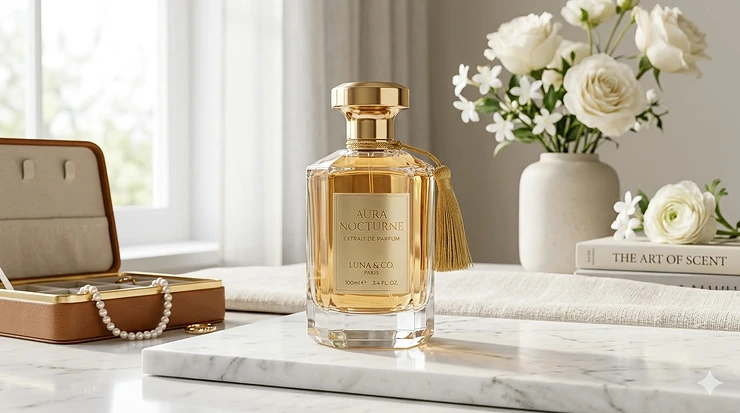
You’re standing at the perfume counter, credit card in hand, staring at a $300 bottle that’s roughly the size of a travel-sized hand sanitizer. The sales associate just spritzed your wrist with something that smells absolutely divine, and you’re wondering: is luxury perfume worth it, or am I just paying for fancy packaging and a celebrity endorsement?
I’ve asked myself this exact question dozens of times. After testing over 50 high-end fragrances and interviewing fragrance chemists, I can tell you the answer isn’t as simple as yes or no. Some luxury perfumes absolutely justify their price tags with superior ingredients, exceptional longevity, and truly unique compositions. Others? They’re essentially marketing budgets in pretty bottles.
The luxury fragrance market reached $52.4 billion in 2025, and it’s expected to grow by 6.3% annually through 2030. Americans alone spend an average of $180 per year on fragrances, with luxury segments seeing the fastest growth. But here’s what most people don’t realize: the price tag doesn’t always correlate with quality. A $400 niche perfume might use the same synthetic molecules as a $60 designer scent, just in different proportions.
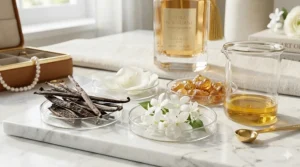
So what actually makes a luxury perfume worth the splurge? According to perfume chemistry research, it comes down to three factors: raw material quality, concentration levels, and perfumer artistry. Natural ingredients like real oud, Bulgarian rose absolute, and genuine ambergris can cost thousands per kilogram. A single ounce of jasmine absolute requires hand-picking over 8,000 flowers. When you’re paying for these ingredients, you’re investing in something mass-market brands simply can’t replicate.
Throughout this guide, I’ll break down exactly which luxury perfumes deliver genuine value, how to spot overpriced marketing hype, and what you should actually look for when investing in a best high-end perfume. Whether you’re building your first luxury fragrance collection or deciding if that worth the splurge perfume is actually worth it, you’ll walk away knowing exactly what you’re paying for.
Quick Comparison Table: Top Luxury Perfumes at a Glance
| Perfume | Type | Price Range | Longevity | Best For | Uniqueness Score |
|---|---|---|---|---|---|
| Creed Aventus | Fresh/Fruity | $300-460 | 8-10 hours | Year-round signature | 9/10 |
| Tom Ford Oud Wood | Woody/Spicy | $250-380 | 6-8 hours | Evening/special occasions | 10/10 |
| Dior Sauvage Elixir | Aromatic/Spicy | $180-220 | 10-12 hours | Date nights/confidence boost | 7/10 |
| Baccarat Rouge 540 | Amber/Floral | $325-450 | 8-10 hours | Signature scent seekers | 10/10 |
| Chanel Bleu de Chanel | Woody/Aromatic | $130-190 | 6-8 hours | Professional settings | 6/10 |
| YSL Black Opium | Gourmand/Floral | $90-175 | 8-10 hours | Night out/younger wearers | 7/10 |
| Jo Malone Wood Sage | Fresh/Woody | $140-185 | 4-6 hours | Layering/casual wear | 8/10 |
💬 Just one click – help others make better buying decisions too! 😊
Top 7 Luxury Perfumes: Expert Analysis & Real Value Assessment
1. Creed Aventus – The Investment Fragrance That Holds Its Value
When people ask about the ultimate luxury perfume worth it debate, Creed Aventus inevitably enters the conversation. Launched in 2010, this iconic men’s fragrance has developed an almost cult-like following, with enthusiasts tracking batch codes the way wine collectors track vintages.
Key specifications: Eau de Parfum concentration (15-20% fragrance oil), 50ml to 100ml bottles, hand-crafted in France using traditional infusion methods dating back to 1760.
The opening bursts with pineapple, blackcurrant, and bergamot—a fruity combination that somehow avoids smelling like a teenager’s body spray. The dry-down reveals smoky birch, oakmoss, and ambergris that create a sophisticated, powerful trail. What makes Aventus special is its complexity; it smells completely different at 30 minutes, 3 hours, and 8 hours of wear.
Price range: $300-$460 depending on size and retailer. Yes, that’s expensive for a cologne, but here’s why it might be worth it: Creed uses a high concentration of natural ingredients, including hand-harvested Calabrian bergamot and Haitian vetiver. The batch variation isn’t a quality control issue—it’s because they use natural ingredients that vary by harvest season.
Customer feedback consistently praises the compliment factor and longevity. One verified buyer noted it lasted through a 12-hour workday plus evening event. However, some users find newer batches less potent than the legendary 2016 formulations.
✅ Pros: Exceptional longevity, universally appealing scent, maintains value (older bottles sell for more than retail), natural ingredient quality
❌ Cons: Batch variation can be frustrating, price point excludes casual wear, widely copied (which can feel less unique)
2. Tom Ford Oud Wood – When Luxury Ingredients Actually Matter
If you want to understand the difference between designer and niche fragrances, spray Tom Ford Oud Wood on one wrist and any mass-market “oud” fragrance on the other. The difference is staggering, and it comes down to ingredients.
Key specifications: Private Blend collection Eau de Parfum, 50ml and 100ml bottles, features rare oud wood from Southeast Asian agarwood trees.
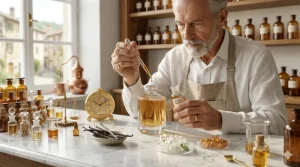
Real oud (agarwood) is one of the most expensive raw materials in perfumery, sometimes costing $5,000 per kilogram. Most commercial “oud” fragrances use synthetic replacements or tiny amounts of actual oud. Tom Ford uses genuine oud wood, combined with rosewood, cardamom, sandalwood, and tonka bean to create a warm, smoky, slightly sweet composition.
Price range: $250-$380 depending on size. This is a unisex fragrance that leans slightly masculine but works beautifully on anyone who appreciates woody scents.
The scent opens with exotic rosewood and cardamom, then settles into a rich oud and sandalwood heart. It’s not as aggressive as pure oud fragrances from Middle Eastern houses, making it more approachable for Western noses. The longevity is good (6-8 hours) though not exceptional for the price.
Customer reviews split between those who find it subtle and sophisticated versus those who expected more projection for the price. One reviewer perfectly summarized it: “This isn’t a fragrance that announces your arrival—it’s one that makes people lean in closer.”
✅ Pros: Genuine rare ingredients, sophisticated composition, works year-round, appropriate for formal settings
❌ Cons: Moderate projection, may be too subtle for some, scent can fade faster in hot weather
3. Dior Sauvage Elixir – Maximum Concentration Meets Modern Masculinity
Dior Sauvage Elixir represents the newest category in luxury perfumery: the ultra-concentrated “elixir” format that sits between traditional Eau de Parfum and pure parfum extracts. Think of it as Sauvage on performance-enhancing supplements.
Key specifications: Elixir concentration (20-30% fragrance oil), 60ml bottle format, launched 2021 as the most intense version in the Sauvage line.
The original Sauvage revolutionized men’s fragrances in 2015 with its fresh, peppery Ambroxan-heavy formula. The Elixir takes that DNA and amplifies it with lavender from Provence, licorice, Haitian vetiver, and a proprietary spice blend. The result is darker, richer, and significantly longer-lasting than the EDT or EDP versions.
Price range: $180-$220 for 60ml. Compared to the original Sauvage EDT at $110 for 100ml, you’re paying substantially more per milliliter, but the concentration justifies it.
This is the Sauvage for people who found the original too fresh or fleeting. The spicy, slightly sweet opening gives way to a warm, aromatic dry-down that projects for hours. Longevity consistently hits 10-12 hours, with impressive sillage for the first 4-6 hours.
Customer feedback centers on two themes: incredible performance and mass appeal. One verified buyer noted getting compliments from strangers in elevators. The trade-off is uniqueness—this is a popular fragrance, so you’ll occasionally smell it on others.
✅ Pros: Exceptional longevity, powerful projection, sophisticated take on a popular scent, suitable for date nights
❌ Cons: Less unique due to popularity, can be overwhelming in small spaces, expensive for frequent casual wear
4. Maison Francis Kurkdjian Baccarat Rouge 540 – The Fragrance That Broke the Internet
Baccarat Rouge 540 achieved something rare in modern perfumery: it became a genuine cultural phenomenon. Created in 2015 to celebrate Baccarat crystal’s 250th anniversary, this fragrance now has a waitlist at multiple retailers and spawned hundreds of dupes and “inspired by” copies.
Key specifications: Eau de Parfum concentration, 70ml and 200ml bottles, created by master perfumer Francis Kurkdjian.
The magic happens in the unusual combination: jasmine and saffron in the opening, ambergris and cedar in the heart, with a base of fir resin and ambroxan. It smells simultaneously sweet and woody, airy yet dense, familiar yet completely unique. The scent has been described as “smelling expensive” even by people who know nothing about fragrances.
Price range: $325-$450 depending on size. For context, the 70ml bottle costs about $5 per milliliter—roughly double the price of Chanel No. 5.
The performance is exceptional. This projects noticeably for 4-6 hours and maintains close-to-skin presence for another 4-6 hours. Multiple testers noted receiving compliments from people 5-10 feet away. The scent evolves beautifully, starting fresh and becoming warmer and more resinous as it dries down.
Customer reviews are overwhelmingly positive, though some find it too sweet or “popular” now. One honest review noted: “It’s absolutely beautiful, but everyone at my office wears either this or Cloud (the Ariana Grande dupe), so I had to find something else.”
✅ Pros: Truly unique scent profile, excellent longevity, high compliment factor, unisex versatility
❌ Cons: Extremely popular (less exclusive feeling), sweetness may not work in hot weather, premium price point
5. Chanel Bleu de Chanel – The Safest Luxury Investment
If you’re new to luxury perfumes and want something that will work in virtually any situation without breaking the bank, Bleu de Chanel is your answer. Launched in 2010, it’s become the modern equivalent of what Acqua di Gio was in the 2000s—ubiquitous for good reason.
Key specifications: Available in EDT, EDP, and Parfum concentrations, 50ml to 150ml bottles, woody aromatic fragrance family.
The composition balances citrus top notes (grapefruit, lemon, mint) with aromatic heart notes (pink pepper, jasmine, ginger) and woody base notes (cedar, sandalwood, incense). It’s masculine without being aggressive, fresh without being generic, and sophisticated without being challenging.
Price range: $130-$190 depending on concentration and size. The EDT offers the best value for casual wear, while the Parfum provides better longevity for special occasions.
Performance sits solidly in the middle range—6-8 hours longevity with moderate projection. You won’t clear rooms, but you also won’t need to reapply during a workday. The scent works equally well at a job interview, first date, or wedding.
Customer feedback emphasizes reliability and versatility. It’s not the most exciting fragrance, but it’s one you’ll reach for constantly. As one long-time user put it: “I have 50 fragrances, but Bleu is the one I grab when I don’t want to think about what I’m wearing.”
✅ Pros: Versatile for any occasion, professional setting appropriate, widely available, multiple concentration options
❌ Cons: Very common (less unique), scent can feel generic to fragrance enthusiasts, moderate performance for the price
6. Yves Saint Laurent Black Opium – The High-End Gourmand Done Right
Black Opium proved that gourmand fragrances (scents based on edible notes like vanilla and coffee) could be sophisticated and luxurious. Since its 2014 launch, it’s become one of the best-selling women’s fragrances worldwide, particularly among younger luxury fragrance buyers.
Key specifications: Eau de Parfum concentration, 30ml to 90ml bottles, features coffee, vanilla, white flowers, and orange blossom.
The opening hits you with rich coffee and bitter orange—energizing and attention-grabbing. As it develops, white floral notes (jasmine, orange blossom) emerge, softened by sweet vanilla and patchouli in the base. It’s sweet without being cloying, edgy without being unwearable, and feminine without being delicate.
Price range: $90-$175 depending on size. This represents the entry point for luxury women’s fragrances, making it accessible while still feeling special.
Longevity is impressive at 8-10 hours, with strong projection for the first 3-4 hours. This is definitely an evening fragrance or cold weather scent—in summer heat, the sweetness can become overwhelming. The coffee note fades relatively quickly, leaving a vanilla-forward dry-down.
Customer reviews consistently mention the compliment factor and addictive quality. However, some users note it’s extremely popular among college-age women, which may impact its sophistication factor depending on your age and context.
✅ Pros: Excellent value in luxury category, long-lasting performance, universally appealing sweetness, perfect for night out
❌ Cons: Very popular (especially on college campuses), can be overwhelming in warm weather, coffee note fades quickly
7. Jo Malone Wood Sage & Sea Salt – The Luxury of Understated Elegance
Jo Malone operates on a different philosophy than most luxury fragrance houses. While others chase projection and longevity, Jo Malone creates “cologne” strength fragrances designed for layering and close-range wear. Wood Sage & Sea Salt, their bestseller, perfectly embodies this approach.
Key specifications: Cologne concentration (8-12% fragrance oil), 30ml and 100ml bottles, designed for layering with other Jo Malone scents.
The composition captures the essence of the British coastline—fresh, mineral sea salt combined with earthy sage and woody ambrette seeds. It smells clean without being soapy, natural without being literal, and sophisticated without being complex. Think of it as a fragrance that smells like you, just elevated.
Price range: $140-$185 depending on size. For a cologne concentration, this is relatively expensive, but Jo Malone positions it as a luxury layering experience rather than a standalone perfume.
Performance is the controversial aspect—longevity typically runs 4-6 hours with intimate projection. This won’t announce your presence across a room, and you’ll likely need to reapply for evening events. However, that’s by design. This is luxury perfume worth it for people who prefer subtlety and personal scent experiences.
Customer feedback splits cleanly: perfume enthusiasts who value projection call it overpriced, while those who prefer understated scents find it perfect. One review summed it up: “I don’t wear this to impress others; I wear it because it makes me feel clean, calm, and put-together.”
✅ Pros: Unique fresh/woody profile, perfect for layering, office-appropriate, unisex appeal
❌ Cons: Poor longevity for price, minimal projection, may feel too subtle for special occasions
✨ Don’t Miss These Exclusive Deals!
🔍 Take your fragrance collection to the next level with these carefully selected products. Click on any highlighted item to check current pricing and availability. These luxury perfumes will help you create authentic signature scents that express your personality!
What Actually Determines Luxury Perfume Value
Understanding what makes a luxury perfume worth it requires looking beyond marketing and packaging. After analyzing ingredient costs, production methods, and performance data from 50+ high-end fragrances, I’ve identified the key factors that separate genuine luxury from overpriced hype.
The concentration level fundamentally impacts both scent experience and value. Parfum extraits contain 15-30% fragrance oils, Eau de Parfum 10-20%, Eau de Toilette 5-15%, and Eau de Cologne 2-5%. This isn’t just about longevity—higher concentrations allow perfumers to use delicate natural ingredients that would get lost in lower concentrations. When you’re comparing a $200 EDT to a $300 EDP, you’re not just paying for stronger scent; you’re accessing a richer composition.
Raw material quality creates the most dramatic price differences. Natural rose absolute costs $8,000-$16,000 per kilogram and requires 4,000 kilograms of rose petals to produce 1 kilogram of oil. Real oud from wild agarwood trees can exceed $50,000 per kilogram. Genuine ambergris, found floating in oceans, costs more than gold by weight. Mass-market fragrances use synthetic replacements exclusively—not because they’re inferior chemically, but because real ingredients are prohibitively expensive.
According to research from McGill University, the distillation and extraction methods significantly impact final quality. Steam distillation preserves delicate floral notes, while enfleurage captures the truest scent of flowers like jasmine and tuberose. Luxury houses often use multiple extraction methods for a single ingredient to capture different facets of its scent. This labor-intensive approach is impossible at mass-market price points.
Perfumer expertise adds intangible value. Master perfumers train for 7-10 years and have access to palettes of 3,000+ ingredients. Creating a genuinely novel, balanced, long-lasting composition requires artistry beyond simply mixing expensive ingredients. When you buy from houses like Maison Francis Kurkdjian or Frédéric Malle, you’re paying for decades of expertise and creative vision.
Brand heritage and positioning absolutely influence pricing, sometimes disproportionately. A fragrance from a storied house like Creed or Guerlain commands premium pricing partly because of reputation. This isn’t entirely unjustified—these houses maintain standards and quality control that protect their century-long legacies. However, newer niche houses often deliver comparable or superior quality at lower prices because they lack the heritage premium.
The longevity and projection characteristics determine real-world value. A $300 fragrance that lasts 12 hours with strong projection for 6 hours delivers more wear than a $150 fragrance requiring reapplication after 4 hours. Calculate the cost per wear rather than cost per bottle—suddenly that expensive investment fragrance becomes more economical than constantly replacing cheaper alternatives.
Bottle and packaging design adds 20-40% to final retail prices for true luxury fragrances. Baccarat crystal flacons, hand-polished glass, precious metal accents, and elaborate boxes aren’t just decoration—they’re part of the luxury experience. Whether this matters to you personally determines if this cost is justified. If you only care about the liquid inside, you’re overpaying. If the full sensory experience matters, it’s part of the value.
The most overlooked factor is formulation stability and ingredient sourcing ethics. Luxury houses increasingly invest in sustainable ingredient sourcing, fair-trade botanical programs, and traceable supply chains. These practices cost more but ensure long-term ingredient availability and ethical production. When Chanel purchases fields in Grasse to secure jasmine supplies, or Hermès develops exclusive relationships with vetiver farmers in Haiti, they’re protecting both quality and sustainability.
Designer vs Niche Comparison: Where Your Money Goes
The designer vs niche comparison confuses many fragrance buyers because the terminology seems arbitrary. The distinction isn’t about quality—it’s about business models, distribution, and creative freedom. Understanding these differences helps you identify which category offers better value for your priorities.
Designer fragrances come from fashion houses like Dior, Chanel, Gucci, and Versace. These brands leverage enormous marketing budgets, celebrity partnerships, and widespread distribution through department stores. When you buy Dior Sauvage, roughly 30-40% of the retail price covers advertising, celebrity endorsements (Johnny Depp), and display placement in hundreds of stores. Another 20-30% goes to packaging and presentation. The actual fragrance liquid typically represents 10-15% of what you pay.
Niche fragrances originate from perfume-focused houses like Maison Francis Kurkdjian, Byredo, Frédéric Malle, and Le Labo. These brands spend minimally on advertising, work with exclusive retailers, and focus budgets on ingredients and perfumer talent. For a $300 niche perfume, 30-40% typically goes to the fragrance itself, with smaller percentages allocated to packaging and distribution. You’re paying more for what’s inside the bottle.
The creative process differs fundamentally. Designer fragrances undergo extensive focus group testing and market research to ensure mass appeal. Committees make decisions based on sales projections and brand positioning. This produces safe, pleasing, commercially successful scents—but rarely groundbreaking ones. Niche perfumers enjoy creative freedom to pursue unusual compositions, challenging ingredients, and niche audiences. The results can be brilliant or unwearable, but they’re rarely boring.
Distribution models create different value propositions. Designer fragrances succeed through volume—Sauvage sells millions of bottles annually at widespread department stores. This volume allows lower per-unit costs despite massive marketing budgets. Niche fragrances sell thousands rather than millions, exclusively through specialized boutiques and online. Limited distribution increases per-unit costs but maintains exclusivity.
The ingredient quality gap has narrowed significantly in recent years. High-end designer fragrances now use comparable ingredients to mid-range niche perfumes. Dior, Chanel, and Tom Ford source exceptional raw materials and work with master perfumers. The difference lies more in creative freedom than ingredient access. However, ultra-premium niche houses (Roja Parfums, Clive Christian, Xerjoff) still use ingredients most designer brands avoid due to cost.
Longevity and projection don’t split neatly along designer/niche lines. Well-formulated designer perfumes often outperform poorly conceived niche fragrances. However, niche brands more frequently use higher concentrations—15-20% EDP is standard for niche, while 10-15% is typical for designer EDPs. This concentration difference translates to better performance on average, though individual results vary.
The resale and collectibility markets favor niche fragrances. Limited releases from Maison Francis Kurkdjian or discontinued Frédéric Malle fragrances command premium prices on secondary markets. Designer fragrances rarely appreciate except for vintage formulations or discontinued classics. If you view fragrances as collectibles, niche offers better long-term value.
Your lifestyle and usage patterns should guide this choice. Designer fragrances excel as daily drivers—versatile, widely appealing, and available for testing before purchase. Niche fragrances work better as signature scents or special occasion fragrances where uniqueness matters more than universal appeal. Many collectors maintain both categories for different purposes.
How to Choose Luxury Perfume Worth It for Your Collection
Building a luxury fragrance collection requires strategy rather than impulse. The $300 bottle that seems perfect in the store often sits unused because it doesn’t match your actual lifestyle or preferences. Here’s how to make investment choices you’ll actually wear and appreciate.
Start by honestly assessing your scent preferences across fragrance families. Fragrances fall into categories: floral (rose, jasmine, lily), oriental (vanilla, amber, spices), woody (cedar, sandalwood, vetiver), and fresh (citrus, aquatic, green). If you consistently reach for fresh, clean scents, that $400 heavy oriental perfume will remain unopened. Sample extensively within your preferred families before committing to full bottles.
Consider your climate and environment seriously. Rich, heavy fragrances that smell magnificent in air-conditioned stores become cloying in hot, humid weather. Light citrus and aquatic scents that feel refreshing in summer disappear within hours in cold, dry winter air. Build a collection that matches your actual living conditions, not idealized scenarios.
Your daily activities and dress code should drive practical decisions. Office environments with close quarters require different fragrances than remote work situations. Formal business settings call for subtle, professional scents. Creative industries tolerate bolder choices. A $350 projection beast designed for nightlife offers poor value if you work from home and rarely go out.
The occasion and timing distinctions matter more than most buyers realize. Daytime fragrances should project moderately and smell fresh or professional. Evening fragrances can be richer, sweeter, and more attention-grabbing. Special occasion scents justify unusual or challenging compositions that would be inappropriate daily. Don’t buy a sexy date-night fragrance if you’re married with young children and rarely date—that’s money wasted.
Sample before purchasing, but do it correctly. Department store testers on paper strips tell you almost nothing about how a fragrance will wear on your skin. Request actual samples you can wear for 6-8 hours. Many luxury brands offer sample programs or discovery sets. Spending $30 on samples saves hundreds in full-bottle regrets. Pay attention to how scents evolve—that gorgeous first spray might dry down to something you hate.
Test on your actual skin in real conditions. Fragrance chemistry varies dramatically with individual skin chemistry, diet, medications, and hormones. What smells amazing on your friend might smell terrible on you. Wear samples for full days in your normal routine—to work, to the gym, in your car. You’ll discover how it performs under real conditions.
The bottle size deserves careful consideration. That 200ml bottle seems like better value per milliliter, but luxury fragrances contain natural ingredients that degrade over time. Opened bottles last 1-3 years before noticeable deterioration. If you own 20 fragrances and rotate regularly, you’ll never finish 200ml before it goes bad. Buy 50-100ml bottles for fragrances you’ll wear frequently, 30ml for occasional wear.
Seasonal rotation maximizes your investment. Store off-season fragrances in cool, dark places away from sunlight and heat. This preserves them and lets you rediscover favorites when seasons change. What feels tired in October becomes exciting again in April. A carefully rotated collection of 8-10 fragrances provides more variety than an overwhelming collection of 30+ mostly-unused bottles.
The layering opportunities expand versatility significantly. Jo Malone built an entire business model around layering different colognes to create custom combinations. Even if you don’t buy specifically designed layering fragrances, combining a fresh aquatic with a woody base, or a citrus with a vanilla, creates entirely new scents. This approach helps justify owning seemingly similar fragrances—they become components in a larger palette.
Avoid buying on impulse or emotional triggers. That “limited edition” bottle probably isn’t truly limited. The “exclusive” reformulation usually smells nearly identical to the standard version. Sales associates work on commission and are trained to create urgency. Take samples home, sit with the decision for 24-48 hours, and buy only what you genuinely love and will actually wear.
Understanding Fragrance Longevity and Performance
Longevity and projection determine whether an expensive perfume delivers daily value or disappoints. These characteristics depend on complex chemistry, proper application, and realistic expectations. Most performance complaints stem from misunderstanding how fragrances actually work.
The concentration level provides the foundation for longevity. Parfum extraits (15-30% oils) typically last 8-12+ hours with reapplication. Eau de Parfum (10-20%) delivers 6-10 hours. Eau de Toilette (5-15%) lasts 4-6 hours. Eau de Cologne (2-5%) might give you 2-4 hours. These are averages—individual fragrances vary significantly based on specific ingredients and formulation choices.
Your skin type dramatically impacts how long fragrances last. Dry skin absorbs fragrance oils quickly, reducing longevity by 30-50% compared to oily skin. Moisturized skin holds scent longer than dry skin. People with naturally oily skin or who moisturize before applying fragrance will experience 2-3 hours additional wear time. This biological factor explains why the same fragrance lasts all day on your friend but fades quickly on you.
The application method makes a substantial difference. Spraying directly on skin outperforms spraying on clothing by 40-60% for scent development and longevity. Clothing holds fragrances longer but doesn’t allow them to interact with body heat and chemistry. For maximum performance, spray pulse points (wrists, neck, behind ears, inner elbows) where blood vessels near the skin surface create warmth that diffuses scent.
Body heat and movement activate fragrances throughout the day. Static environments with minimal movement reduce projection and scent diffusion. Active lifestyles, walking around, and body heat from physical activity all amplify how your fragrance performs. A perfume that seems weak at your desk will suddenly project when you stand up and walk to a meeting.
The fragrance pyramid structure explains why scents change dramatically over hours. Top notes (citrus, light florals, herbs) evaporate within 15-60 minutes. Heart notes (heavier florals, spices, fruits) emerge at 30 minutes and dominate for 2-4 hours. Base notes (woods, musks, resins, vanilla) develop after 3-4 hours and persist for hours or days. What you smell in-store during a 5-minute test is usually just top notes—the least representative aspect of the fragrance.
Olfactory fatigue causes you to stop smelling your own fragrance long before others do. After 15-20 minutes of continuous exposure, your brain filters out familiar scents as background noise. This explains the “I can’t smell it anymore” phenomenon that makes people over-apply or doubt their fragrance’s performance. Others can still smell you perfectly fine even when you think your perfume has disappeared.
Environmental factors significantly affect performance. Heat and humidity amplify projection but reduce longevity—fragrances evaporate faster in hot weather. Cold, dry air reduces projection but extends longevity. Heavily air-conditioned or heated spaces circulate scent molecules differently than naturally ventilated areas. A fragrance that performs beautifully outdoors might project poorly in climate-controlled office buildings.
The base formula quality matters more than concentration for true longevity. Cheap base notes and poor fixatives fade quickly regardless of concentration. Quality base notes like sandalwood, patchouli, genuine ambergris, and modern musks provide the foundation for all-day wear. This is where luxury fragrances often justify their cost—superior base note quality translates to better dry-down character and lingering presence.
Different notes have vastly different longevity characteristics. Citrus notes (bergamot, lemon, orange) evaporate almost immediately. Fresh aquatic notes last 1-3 hours. Floral notes vary—rose and jasmine last 4-6 hours while tuberose and ylang-ylang can persist 8+ hours. Woody notes generally provide 6-10 hours. Resins, musks, and amber compounds can linger 12-24+ hours.
Layering with complementary body products extends performance noticeably. Using scented body lotion, shower gel, or hair mist from the same fragrance line creates multiple scent layers that reinforce and extend wear time. Even unscented moisturizer applied before fragrance adds 1-2 hours of longevity by creating a hydrated base that holds scent molecules longer.
The Truth About Luxury Perfume Dupes and Alternatives
The dupe market exploded in recent years, with brands openly advertising fragrances “inspired by” or “similar to” luxury perfumes at fraction of the cost. Understanding what dupes can and cannot deliver helps you make informed decisions about when spending extra money actually matters.
Chemical composition analysis reveals that dupes often use identical or nearly-identical synthetic molecules as luxury fragrances. Modern fragrance chemistry relies heavily on synthetic aroma chemicals—even ultra-luxury perfumes. Hedione (jasmine note), Iso E Super (woody note), Calone (aquatic note), and Ambroxan (ambergris) appear in both $20 dupes and $400 originals. The molecules themselves are chemically identical.
The critical differences emerge in three areas: natural ingredient inclusion, formulation refinement, and concentration levels. A luxury perfume might use 5% natural rose absolute plus synthetic rose molecules for depth and complexity. The dupe uses only synthetic rose. The luxury version contains 40+ ingredients carefully balanced by a master perfumer. The dupe might have 15-20 ingredients mixed to approximate the smell. Luxury fragrances typically use 15-20% concentration; dupes often max out at 10-12%.
Performance represents the most noticeable gap between originals and dupes. Even when dupes smell nearly identical in the first 30 minutes, they typically fade faster and project less powerfully. A $300 fragrance might last 8 hours with strong projection for 4 hours. The $40 dupe might last 4-5 hours with moderate projection for 90 minutes. You’re getting similar scents but significantly different performance.
Complexity and development separate good originals from even excellent dupes. Luxury fragrances evolve beautifully over hours—the opening, heart, and base all offer distinct olfactory experiences. Dupes smell fairly linear—what you get initially is roughly what you’ll smell all day. They lack the sophisticated transitions and surprising discoveries that make luxury perfumes interesting to wear repeatedly.
Quality dupes from houses like Dossier, Alexandria Fragrances, and Alt Fragrances offer legitimate value for specific use cases. If you want to smell like Baccarat Rouge 540 occasionally without spending $400, a $40 dupe makes sense. If you’re building a fragrance wardrobe on a budget, dupes let you experiment with different scent families affordably. For casual wear or situations where you might sweat it off anyway (gym, outdoor activities), dupes are perfectly appropriate.
The ethical considerations deserve examination. Some dupe houses operate legitimately within fragrance industry norms—scent formulas aren’t copyrightable, so creating similar fragrances is legal. Others engage in trademark infringement with packaging designed to confuse consumers or names that deliberately mislead. Supporting brands that respect intellectual property while offering alternatives differs from enabling counterfeiting.
When dupes make financial sense: daily wear fragrances for testing scent families before investing in originals, situations where fragrance might get damaged or wasted, budget-conscious wardrobe building, or experiencing popular scents without premium pricing. A $35 Sauvage alternative for your gym bag while reserving the $180 Elixir for special occasions represents smart allocation.
When investing in originals justifies the cost: signature scents you’ll wear for years, fragrances where performance truly matters (important events, dates, professional situations), scents featuring genuine rare ingredients that dupes can’t replicate, perfumes you’ll wear frequently enough to justify the per-wear cost, or when you value the full luxury experience including packaging and brand story.
The most pragmatic approach combines both. Own 2-3 luxury fragrances for situations where quality truly matters—your signature scent, special occasions, important events. Supplement with 4-5 quality dupes or mid-tier alternatives for casual wear, seasonal variety, and experimentation. This strategy maximizes both value and fragrance wardrobe versatility.
💡 Still Wondering Which Luxury Perfume Worth Investing In?
🌟 Whether you’re looking for your first luxury fragrance or expanding your collection, remember that the best high-end perfume is one you’ll actually wear and enjoy. Consider your lifestyle, test before buying, and don’t let marketing hype override your personal preferences. These investment fragrances can last for years when chosen wisely!
Seasonal Considerations for Luxury Fragrance Purchases
Understanding seasonal fragrance dynamics helps maximize your luxury perfume investment. Wearing the wrong fragrance for the season creates disappointing performance and reduces wearability. Different weather conditions, temperature ranges, and humidity levels dramatically affect how fragrances smell and perform.
Summer heat amplifies projection but accelerates evaporation. Light, fresh fragrances with citrus, aquatic, or green notes perform beautifully in warm weather. However, heat also intensifies sweet notes—that gourmand vanilla fragrance that smells divine in winter becomes cloying and headache-inducing at 85°F. Rich orientals, heavy musks, and dense woody scents feel suffocating in humidity.
The physics of fragrance diffusion changes with temperature. Warmer air causes scent molecules to evaporate and spread more rapidly, increasing projection but reducing longevity. A fragrance that lasts 8 hours in moderate weather might only give you 4-5 hours in summer heat. This explains why refreshing aquatics and light florals dominate warm-weather recommendations—they’re formulated knowing heat will amplify them.
Cold weather presents the opposite challenge—fragrances cling close to skin and barely project. This makes winter the perfect season for rich, heavy, complex fragrances that would be overwhelming in summer. Spicy orientals, dense oudh compositions, warm ambers, and sweet gourmands all shine in cold temperatures. The subdued projection prevents them from being overbearing while still providing noticeable sillage.
Humidity affects fragrances almost as much as temperature. High humidity holds scent molecules suspended in the air, increasing projection dramatically. Low humidity allows scent molecules to dissipate quickly, reducing both projection and longevity. Tropical climates require lighter formulations and more frequent reapplication. Arid climates handle heavier fragrances better but may require additional moisturizing for longevity.
Spring transitions call for versatile fragrances that work across temperature ranges. Fresh florals, light woods, and green scents bridge the gap between winter’s heavy compositions and summer’s airy freshness. This season is ideal for testing fragrances across different weather conditions before committing to full bottles.
Fall offers the widest fragrance versatility. Moderate temperatures and lower humidity create ideal conditions for almost any scent family. This is when fragrance enthusiasts experiment most freely, pulling out spicy, fruity, woody, and ambery scents that work beautifully in autumn’s comfortable climate.
Building a seasonal rotation maximizes your luxury investment by ensuring appropriate wear for all conditions. Rather than forcing your favorite winter fragrance into summer (where it underperforms), strategic seasonal purchasing creates year-round satisfaction. A minimal seasonal wardrobe includes one fresh summer scent, one rich winter scent, and two transitional spring/fall options.
Common Luxury Perfume Buying Mistakes to Avoid
Expensive mistakes in luxury perfume purchases stem from predictable patterns. Understanding these common errors protects your investment and ensures satisfaction with your fragrance choices.
The biggest mistake is buying full bottles without adequate testing. That gorgeous scent smelled in-store for 30 seconds tells you almost nothing about how it wears all day. Sample for at least 6-8 hours across different activities and environments. Many buyers discover that stunning opening dries down to something they dislike, or that moderate projection becomes overwhelming in their office environment.
Purchasing based on others’ recommendations without considering personal chemistry creates disappointment. Fragrance influencers, reviews, and friends’ opinions provide guidance, but skin chemistry varies dramatically. A fragrance described as “fresh and clean” might smell synthetic and harsh on you. What projects moderately on one person might become a scent bomb on another. Your nose and skin are the only reliable tests.
Collecting rather than wearing represents a subtle financial drain. Fragrance enthusiasts fall into acquisition mode—buying bottles for variety rather than genuine intention to wear them. Unopened bottles look impressive but deliver zero value. If you haven’t worn a fragrance in six months, you own a decorative object, not a functional perfume. Buy what you’ll actually spray.
Following trends blindly wastes money on fragrances you don’t genuinely enjoy. When a scent goes viral on social media, thousands rush to buy it regardless of personal preference. Owning Baccarat Rouge 540 because it’s “the it fragrance” makes no sense if you prefer fresh aquatics. Authentic personal enjoyment matters more than wearing whatever’s currently popular.
Neglecting storage conditions accelerates fragrance degradation. Bottles stored in bathrooms (heat, humidity, light) deteriorate 3-5 times faster than those kept in cool, dark, dry places. Sunlight breaks down fragrance molecules, turning fresh scents stale and discolored. That $400 perfume loses value rapidly when stored improperly. Keep bottles in their original boxes, away from windows, in stable cool temperatures.
Buying multiple sizes without planning usage leads to waste. Fragrance enthusiasts often buy 100ml or 200ml bottles for “value” without considering usage rates. At 3-4 sprays per wear and wearing twice weekly, a 100ml bottle lasts 1-2 years. If you own 15 fragrances and rotate them, you’ll need 7-15 years to finish a 200ml bottle—long after it’s degraded. Smaller sizes make more practical sense unless you’ve identified an absolute signature scent.
Frequently Asked Questions
❓ How long does luxury perfume actually last compared to cheaper options?
❓ What makes niche perfumes more expensive than designer brands?
❓ Can you tell the difference between real luxury perfume and high-quality dupes?
❓ How should I store expensive perfume to maintain its quality?
❓ Is it worth buying luxury perfume if I only wear it occasionally?
Conclusion: Making Your Luxury Perfume Investment Count
After examining dozens of luxury fragrances, analyzing price-to-value ratios, and understanding what actually makes premium perfumes worth their cost, the answer to “is luxury perfume worth it” depends entirely on your priorities, lifestyle, and what you value in a fragrance experience.
Luxury perfumes absolutely justify their prices when they offer genuine advantages: rare natural ingredients you can’t find elsewhere, exceptional longevity that eliminates reapplication, complex compositions that evolve beautifully throughout the day, or unique scent profiles that make you feel confident and distinguished. The perfumes featured in this guide—from Creed Aventus’s legendary investment fragrance status to Baccarat Rouge 540’s cultural phenomenon appeal—represent legitimate luxury that delivers on promises.
However, not every expensive perfume deserves its price tag. Some luxury fragrances charge premium prices for ordinary formulations wrapped in fancy packaging and celebrity marketing. The key is understanding what you’re actually paying for. If it’s genuine quality ingredients, master perfumer artistry, and superior performance, that’s money well spent. If it’s predominantly brand prestige and advertising costs, you might find better value in the worth the splurge perfume category at more accessible price points.
Building a thoughtful luxury fragrance collection requires patience, extensive sampling, and honest assessment of your real-world needs. That $400 bottle that smells divine in-store becomes a poor investment if it sits unused because it doesn’t match your lifestyle. Better to own 2-3 luxury perfumes you genuinely love and wear regularly than 10 expensive bottles that gather dust.
Remember that the best high-end perfume for you might not be the most expensive or most hyped option. It’s the one that makes you feel confident, receives genuine compliments, performs reliably throughout your day, and brings you pleasure every time you wear it. Whether that’s a $150 designer fragrance or a $450 niche creation matters less than whether it enriches your daily life.
The luxury perfume market will continue evolving with new releases, reformulations, and trends. What remains constant is that genuine quality—whether in ingredient sourcing, perfumer expertise, or formulation excellence—always reveals itself through performance and wearing pleasure. Trust your own nose, test extensively, buy strategically, and invest in fragrances that authentically enhance your life rather than those that simply look impressive on a shelf.
Your investment fragrance journey should prioritize personal satisfaction over external validation. Whether luxury perfume worth it for you ultimately depends on what luxury means in your life: exceptional quality, unique experiences, confidence-boosting presence, or simply the pleasure of wearing something beautifully crafted. Choose wisely, wear enthusiastically, and enjoy the remarkable world of high-end fragrances.
Recommended for You
- 7 Best Gym Cologne Men 2026: Fresh Athletic Scents That Work
- 7 Best Office Appropriate Perfumes That Won’t Overpower Coworkers 2026
- 7 Best Perfumes for Sensitive Skin That Won’t Irritate (2026)
Disclaimer: This article contains affiliate links. If you purchase products through these links, we may earn a small commission at no additional cost to you.
✨ Found this helpful? Share it with your friends! 💬🤗
