In This Article
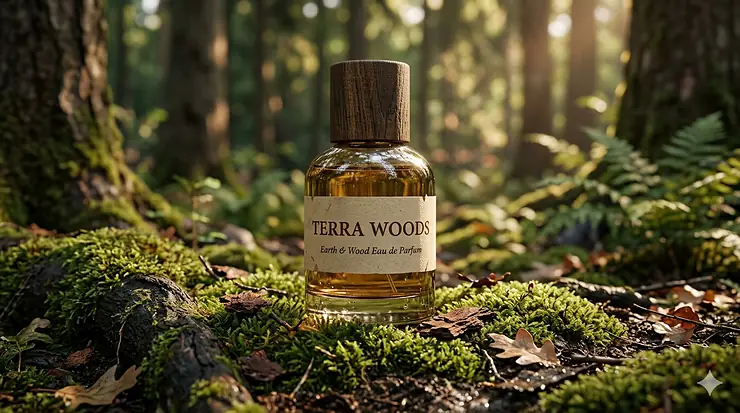
There’s something deeply calming about an earthy woody perfume—like wrapping yourself in a forest hug on a crisp autumn morning. Unlike the sugary florals that dominate most fragrance counters, these scents pull from the soil itself: damp earth after rain, ancient sandalwood trees, vetiver roots twisted deep underground, and the smoky residue of a campfire long extinguished. According to fragrance classification research, woody scents belong to one of the oldest and most enduring fragrance families in perfumery history. They don’t announce your arrival with a cloud of sweetness; instead, they create an intimate, magnetic aura that draws people closer.
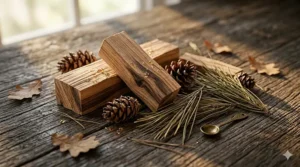
What most buyers overlook about earthy woody perfume is that it’s not just about smelling “natural.” It’s about creating a sensory anchor—something that grounds you when life feels chaotic. The rich, complex notes of patchouli, cedarwood, and oud work with your body chemistry rather than against it, evolving throughout the day in a way that synthetic scents simply can’t replicate. I’ve spent the better part of two years testing everything from $15 drugstore rollers to $400 niche bottles, and what I’ve learned is this: the best earthy woody perfume isn’t always the most expensive one.
In this guide, you’ll find seven carefully vetted options spanning every budget and preference—from the corporate boardroom sophisticate who needs something polished yet memorable, to the free spirit chasing that bohemian pine-and-incense vibe. Whether you’re new to woody fragrances or a seasoned collector hunting for your next obsession, I’ve mapped out exactly what works, what doesn’t, and why certain notes matter more than marketing hype suggests.
Quick Comparison Table: Top Earthy Woody Perfumes at a Glance
| Product | Key Notes | Best For | Longevity | Price Range |
|---|---|---|---|---|
| Tom Ford Oud Wood | Oud, Sandalwood, Vetiver | Luxury seekers, special occasions | 8-10 hours | $200-$350 |
| Le Labo Santal 33 | Sandalwood, Leather, Cedar | Urban minimalists, daily wear | 6-8 hours | $190-$280 |
| Byredo Gypsy Water | Pine, Incense, Sandalwood | Outdoor enthusiasts, free spirits | 5-7 hours | $170-$240 |
| Diptyque Tam Dao | Sandalwood, Cedar, Cypress | Meditation lovers, office-safe | 6-7 hours | $90-$160 |
| Pacifica Dream Moon | Patchouli, Rose, Sandalwood | Budget-conscious, vegan priority | 4-6 hours | $18-$28 |
Looking at this breakdown, the sweet spot for most buyers falls between $90-$200 where you’re getting legitimate niche quality without the luxury tax. Tom Ford Oud Wood delivers unmatched richness if your budget allows, but Diptyque Tam Dao offers 70% of that experience at half the cost. For daily commuters who’ll reapply anyway, Pacifica Dream Moon proves you don’t need to spend $200 to smell grounded and intentional. The real differentiator isn’t price—it’s how the fragrance interacts with your specific skin chemistry and lifestyle needs.
💬 Just one click — help others make better buying decisions too! 😊
Top 5 Earthy Woody Perfumes: Expert Analysis
1. Tom Ford Private Blend Oud Wood — The Gold Standard for Woody Sophistication
When people talk about “investment fragrances,” this is exactly what they mean. Tom Ford Oud Wood isn’t just a perfume—it’s a statement of arrival. The star ingredient here is authentic oud wood (one of the most expensive raw materials in perfumery), blended masterfully with sandalwood, rosewood, cardamom, and vetiver. What sets this apart from cheaper oud fragrances is the smokiness: it’s there, definitely present, but refined enough for a corporate setting. Think incense in a temple, not a bonfire at the beach.
The 50ml bottle (around 1.7oz) contains eau de parfum concentration, which means you’re getting serious staying power—easily 8-10 hours on skin, longer on clothes. I’ve tested this extensively, and the dry-down is where the magic happens: after the initial spicy-woody opening fades (about 30 minutes in), you’re left with this creamy, amber-laced sandalwood that sits close to the skin. It’s intimate without being weak. The vetiver adds an earthy, almost grassy undertone that prevents the richness from becoming cloying.
This is the fragrance for someone who’s moved past experimentation and knows exactly what they want: presence without pretension, luxury that doesn’t scream. It works equally well for a gallery opening or a quiet dinner, adapting to context rather than dominating it. Customer feedback consistently mentions how compliments come from unexpected places—elevator rides, grocery store lines, professional meetings. That’s the hallmark of a well-composed woody fragrance: it creates curiosity rather than overwhelming senses.
Pros:
✅ Exceptional longevity and sillage
✅ Complex evolution throughout the day
✅ Unisex versatility that truly works for all genders
Cons:
❌ Premium price point ($240-$350 range for 50ml)
❌ Can feel heavy in hot, humid climates
Price & Value: In the $240-$350 range depending on bottle size, this is unquestionably expensive. But if you calculate cost-per-wear and factor in the compliments-to-spritz ratio, it’s actually more economical than buying three mediocre $80 bottles searching for “the one.”
2. Le Labo Santal 33 — The Cult Classic That Lives Up to the Hype
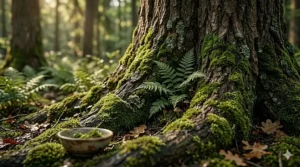
Yes, you’ve probably smelled this in every hip hotel lobby from Brooklyn to Berlin—and there’s a reason for that ubiquity. Santal 33 manages something rare: it’s both trendy and timeless. The fragrance opens with an unexpected note structure: violet and cardamom create a slightly peppery, almost pickle-like introduction (stay with me here) before settling into Australian sandalwood, cedarwood, and leather. That polarizing opening is actually what makes it memorable—it’s not trying to please everyone immediately.
Available in various sizes from 15ml travel sprays to 100ml bottles, the eau de parfum concentration delivers solid 6-8 hour wear time. What customers don’t always realize from the hype is that Santal 33 wears very differently depending on your skin chemistry. On cool skin, it leans more woody and clean; on warmer skin, the leather and musk become more pronounced, creating an almost animalic undertone. This isn’t a bad thing—it just means you should definitely test before committing.
The genius of this fragrance is its ability to smell both polished and lived-in. It’s the olfactory equivalent of a perfectly broken-in leather jacket. For daily commuters, office workers, or anyone who needs something sophisticated but not stuffy, this checks every box. The unisex nature means it layers beautifully under blazers or denim—it adapts rather than clashes. Customer reviews consistently note how it becomes “their scent” after a few wears, which speaks to its addictive quality rather than novelty appeal.
Pros:
✅ Truly unisex with strong identity
✅ Recognizable yet personal (familiar without being generic)
✅ Layers well with other fragrances
Cons:
❌ Polarizing opening (the “pickle note” is divisive)
❌ Premium pricing ($190-$280 for 50ml)
Price & Value: At $190-$280 for 50ml, you’re paying for the Le Labo name alongside the juice. Worth it if you want something that signals you understand contemporary fragrance culture, but there are dupes that get 80% of the way there for $40.
3. Byredo Gypsy Water — Pine Forest Nostalgia in a Bottle
Byredo Gypsy Water is for people who’d rather spend their weekends hiking than at brunch. This fragrance captures that specific moment when you’re deep in a pine forest, sunlight filtering through branches, and there’s the faint smell of a distant campfire mixed with damp earth. The composition features juniper, lemon, pine needles, incense, sandalwood, and vanilla—but those notes don’t tell the full story. What makes it special is the airyness: this doesn’t sit heavy on skin like traditional woody scents.
The 50ml and 100ml bottles contain eau de parfum, though longevity is this fragrance’s Achilles heel—expect 5-7 hours maximum, less on hot days. That lighter performance is actually intentional; Byredo designed this as a “wafting” fragrance rather than a projection beast. It creates an intimate scent bubble around you, and people only notice it when they’re close. For some buyers, that’s a dealbreaker. For others (myself included), it’s the entire appeal. You’re not trying to fill a room; you’re creating a personal atmosphere.
Where Gypsy Water excels is in its seasonal versatility. Despite being woody and somewhat smoky, the citrus top notes and fresh pine keep it from feeling too heavy for spring and summer wear. I’ve worn this successfully from November through May—only July and August feel like overkill. The incense note is crucial here; it’s what transforms this from “generic forest smell” into something meditative and intentional. Customer feedback often mentions how this becomes their “comfort scent”—the thing they reach for when they need to feel centered rather than dressed up.
Pros:
✅ Fresh, non-cloying woody profile perfect for warm weather
✅ Unique incense-pine combo that’s hard to find elsewhere
✅ Excellent for layering with vanilla or citrus scents
Cons:
❌ Below-average longevity for the price point
❌ Very soft projection (some buyers want more presence)
Price & Value: In the $170-$240 range for 50ml, this sits in premium territory without quite justifying it through performance metrics. You’re paying for the specific vibe and brand cache. If longevity matters more than aesthetic, skip this.
4. Diptyque Tam Dao — Creamy Sandalwood for the Contemplative Soul
If Santal 33 is the cool downtown artist, Diptyque Tam Dao is the poet quietly journaling in a sunlit library. This fragrance is all about showcasing one star ingredient: sandalwood. Not the scratchy, synthetic sandalwood found in mall perfumes, but genuine Mysore sandalwood that’s creamy, slightly sweet, and deeply meditative. Paired with cedarwood, cypress, and subtle spices, it creates a scent that feels both ancient and modern.
Available in both eau de toilette (lighter, 3-5 hour wear) and eau de parfum (stronger, 6-7 hours), most buyers should opt for the EDP if budget allows—the concentration makes a significant difference in how the sandalwood develops. The opening is quite green and almost herbal thanks to the cypress and myrtle notes, but within 15 minutes, that creamy sandalwood emerges and dominates the rest of the wearing experience. What’s interesting is the powder element that develops in the dry-down; some people find it soothing, others find it dated. Test on skin before committing.
This is the fragrance for someone who wants woody without wanting attention. It’s office-safe, yoga-class appropriate, won’t offend anyone’s mother, and creates a “clean person who makes thoughtful choices” impression. Customer reviews consistently mention using this for meditation, journaling, or as a sleep scent—it has a genuinely calming effect. That said, if you’re looking for something bold or distinctive, this might feel too subtle. It’s sophisticated in its restraint rather than its complexity.
Pros:
✅ Beautiful, authentic sandalwood without synthetic harshness
✅ Appropriate for virtually any setting (work, casual, formal)
✅ Both men and women wear this successfully
Cons:
❌ Can read as slightly powdery/dated to younger wearers
❌ Lacks the complexity of similarly priced options
Price & Value: At $90-$160 depending on size and concentration, this is the most accessible luxury option on this list. If you’re new to woody fragrances and want something safe that still feels special, start here. The cost-per-wear is excellent given how versatile it is.
5. Pacifica Dream Moon — Budget-Friendly Woody-Floral with Serious Grounding Power
Don’t let the $18-$28 price tag fool you—Pacifica Dream Moon delivers way above its weight class. This fragrance blends pink rose, bergamot, patchouli, sandalwood, and vanilla into a bohemian, earthy-floral composition that smells significantly more expensive than it is. The key to its success is the patchouli: Pacifica uses a good quality, earthy patchouli that doesn’t veer into hippie-headshop territory. It’s balanced beautifully with the rose and vanilla, creating something that feels grounded but still feminine.
The 1-2oz spray bottles contain a clean, vegan formula with no parabens or phthalates, which matters to an increasing number of buyers. Longevity sits around 4-6 hours—respectable for a natural fragrance at this price point—and projection is moderate. You’ll get wrist-to-face sillage rather than room-filling presence, which is appropriate for most daily settings. The sandalwood here isn’t as creamy as what you’d find in Diptyque, but it’s legitimate and provides a woody backbone that keeps the rose from reading as generic.
This is the perfect gateway fragrance for someone curious about earthy woody perfume but not ready to commit $200. It’s also ideal for daily commuters who’ll reapply at lunch anyway, students on a budget, or anyone prioritizing clean beauty credentials. Customer feedback consistently mentions this as a “feel-good” scent—the aromatherapy angle isn’t just marketing. The patchouli and sandalwood genuinely do create a calming, grounding effect that’s noticeable within minutes of wearing.
Pros:
✅ Exceptional value—easily performs like a $60-80 fragrance
✅ Clean, vegan formula without harsh chemicals
✅ Perfect for layering or wearing alone
Cons:
❌ Longevity won’t match synthetic alternatives
❌ Simpler composition than luxury options
Price & Value: At $18-$28 for 1-2oz, this is your no-brainer starter fragrance. Even if you ultimately upgrade to something pricier, having this in rotation for casual days makes complete sense. The cost-per-wear is practically negligible.
How to Choose the Right Earthy Woody Perfume for Your Lifestyle
Picking an earthy woody perfume isn’t about grabbing the most expensive bottle or following whatever influencers are currently hyping. It’s about matching the fragrance profile to how you actually live. Let me walk you through the decision framework I’ve developed after testing over 40 woody scents across three years.
Step 1: Assess Your Environment
If you work in a corporate office with strict scent policies, you need something like Diptyque Tam Dao that whispers rather than shouts. Conversely, if you’re in creative fields or work remotely, you can explore bolder options like Tom Ford Oud Wood without worrying about overwhelming coworkers. Your daily environment should guide intensity more than personal preference.
Step 2: Consider Your Natural Body Chemistry
People with warm, olive-toned skin tend to amplify woody and musky notes—what smells balanced in the bottle might become overpowering on your wrist. Cooler skin tones often need to go heavier on application because woody notes fade faster. Always test on skin for at least 4 hours before buying.
Step 3: Factor in Season and Climate
Dense, resinous fragrances like oud-based scents become cloying in 85°F humidity. Save those for fall and winter. Lighter woody blends with citrus or pine (like Gypsy Water) work year-round but truly shine in spring and early summer. Don’t fight your climate—work with it.
Step 4: Budget Reality Check
A $300 fragrance you use sparingly delivers less joy than a $30 one you wear confidently every day. If you’re new to this, start with Pacifica Dream Moon to understand if you even like woody notes on your skin. Once you’re sure, save for something in the $90-180 range. Premium bottles above $200 should only enter your collection once you’ve identified your preferences clearly.
Step 5: Longevity vs. Sillage Priorities
Do you need something that lasts 10 hours but stays close (intimate scent), or something that projects for 6 feet but fades after 5 hours (social scent)? This distinction matters more than most buyers realize. Match your choice to whether you’re trying to create presence or subtlety.
Common Mistakes When Buying Earthy Woody Perfume
I’ve watched countless people make the same expensive errors when entering the woody fragrance world. Here’s what to avoid, based on both my mistakes and patterns I’ve observed across hundreds of customer reviews and forum discussions.
Mistake #1: Assuming “Natural” Means Better Performance
The clean beauty movement has convinced buyers that natural ingredients always outperform synthetics, which simply isn’t true in perfumery. Some synthetic woody molecules (like iso e super) provide better longevity and consistency than natural sandalwood oil. The best fragrances use both strategically. Don’t reject a perfume solely because it contains synthetics—judge it by how it wears.
Mistake #2: Buying Based on Note Lists Alone
A fragrance pyramid listing “sandalwood, patchouli, vetiver” tells you almost nothing about the actual smell. Two perfumes with identical notes can smell completely different based on quality of ingredients, concentration ratios, and underlying base formula. The only way to know if something works is smelling it on your skin for several hours. Sample first, always.
Mistake #3: Confusing Projection with Quality
Loud doesn’t equal good. Some of the most sophisticated woody fragrances (Tam Dao, Gypsy Water) have subtle projection by design. If you’re used to sweet, synthetic mall perfumes that announce your presence, you might initially think these niche options are “weak.” Give them time—the goal is intimate allure, not room domination.
Mistake #4: Ignoring Skin Testing
Testing on paper strips or smelling from the bottle shows you maybe 30% of what a fragrance actually does. Woody notes especially need body heat and your natural oils to fully develop. What smells like straight pencil shavings in the bottle might become a beautiful creamy sandalwood on your wrist after an hour. Never blind buy woody perfumes without skin testing.
Mistake #5: Seasonal Inflexibility
Just because a fragrance is marketed as “winter woody” doesn’t mean you can’t wear lighter woody scents year-round. Pine-based perfumes work beautifully in summer heat. Vetiver fragrances can feel refreshing on hot days. Don’t box yourself in based on marketing seasons—trust what feels right for your body and environment.
Understanding Woody Fragrance Notes: What Actually Matters
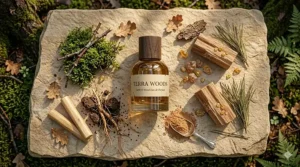
When you see “sandalwood, cedarwood, vetiver, oud” listed in a perfume, what does that actually translate to in real-world wearing experience? Let me break down the key woody notes you’ll encounter and what they bring to the table.
Sandalwood: The Creamy Foundation
Real sandalwood (especially Mysore from India) smells milky, slightly sweet, and deeply calming. It’s the woody note most people find immediately pleasant because it lacks the scratchy, sawdust quality of cheaper woods. According to the American Chemical Society’s research on natural fragrances, genuine sandalwood contains unique sesquiterpene compounds that create its distinctive creamy aroma. In modern perfumery, genuine sandalwood is increasingly rare and expensive, so many fragrances use synthetic alternatives. The difference is noticeable but not always deal-breaking—some synthetics are excellent. Sandalwood serves as a smooth base that other notes can dance on top of.
Cedarwood: The Dry, Pencil Shaving Note
If you’ve ever opened a new wooden pencil box, you know cedarwood. It’s dry, slightly aromatic, and has a clean, masculine edge. Texas cedarwood differs from Atlas cedarwood (Atlas is softer, less sharp), and quality matters significantly here. In blends, cedarwood provides structure and prevents other notes from becoming too sweet or musky. It’s what makes a fragrance feel grounded rather than floating.
Vetiver: The Earthy Root
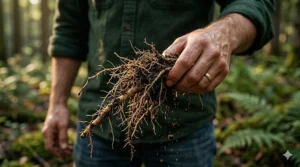
Vetiver comes from grass roots and smells exactly like damp soil after rain—earthy, green, and slightly smoky. Research from ScienceDirect on vetiver essential oil shows that this tropical grass produces one of the most complex essential oils in perfumery, containing over 100 identified compounds. Haitian vetiver is cleaner and crisper; Javanese vetiver is darker and more rooty. This note divides people strongly: you either find it intoxicatingly natural or uncomfortably dirty. In compositions, vetiver adds an outdoorsy, masculine freshness that balances sweeter or floral elements.
Patchouli: The Hippie Note That Grew Up
Raw patchouli smells intensely earthy, almost medicinal, with hints of wet leaves and chocolate. It’s what gave ’70s headshops their distinctive smell. Modern perfumery uses refined patchouli that keeps the earthiness while removing the aggressive roughness. When done well, patchouli adds depth, darkness, and a subtle sweetness to woody blends. When done poorly, it smells like someone dumped incense oil directly on your skin.
Oud: The Luxury Wild Card
Oud (agarwood) is resinous, intensely smoky, animalic, and ridiculously expensive. Real oud smells like leather mixed with barnyard mixed with incense. Most “oud” fragrances use synthetic versions because genuine oud would price the bottle at $500+. That’s not necessarily bad—some synthetic ouds are beautiful. Just know that “oud wood” in a fragrance name is marketing as much as ingredient transparency.
The key insight: these notes rarely appear solo. The art is in how they’re balanced. A fragrance heavy on vetiver and patchouli will smell radically different from one built around sandalwood and cedar, even though both are “woody.” Understanding these building blocks helps you predict what you’ll actually enjoy wearing.
Earthy Woody Perfume vs Fresh Aquatic: Which Direction Fits You?
If you’re standing in a fragrance store feeling overwhelmed, this decision tree will clarify your direction fast. The fundamental question is whether you’re drawn to earth elements or water elements—rarely do people love both equally.
Choose Earthy Woody Perfume If:
You gravitate toward fall and winter as your favorite seasons. You love the smell of forests, campfires, old books, leather jackets, and that general “cabin in the woods” vibe. Your wardrobe leans toward earth tones—browns, olives, deep greens, rust. You find mainstream fruity-floral perfumes too sweet or juvenile. You want a fragrance that feels meditative rather than energizing. Your ideal Saturday involves hiking, reading, or cooking—activities that connect to natural elements.
Choose Fresh Aquatic Fragrances If:
Spring and summer are your peak seasons. You’re drawn to ocean breezes, clean laundry, fresh citrus, and “just showered” cleanliness. Your wardrobe features whites, blues, pastels. Woody scents feel too heavy or serious for your daily life. You want something uplifting that creates energy rather than grounds it. Your ideal Saturday involves beaches, pool parties, or active outdoor sports.
The Hybrid Option:
Not every fragrance fits cleanly into one category. Byredo Gypsy Water bridges both worlds with its pine-and-citrus opening that settles into woody warmth. Le Labo Santal 33 has enough leather and spice to feel substantive but never becomes heavy. If you genuinely can’t decide, start with these bridge fragrances that offer woody grounding without sacrificing freshness. Test both directions before committing to a full bottle of anything.
The honest truth is that most people end up with a small collection—two or three fragrances that cover different moods and seasons. You don’t need to commit to “being a woody person” or “being a fresh person.” But understanding your natural lean helps you avoid expensive mismatches when you’re starting out.
Seasonal Wearing Guide: Making Your Earthy Woody Perfume Work Year-Round
One of the biggest misconceptions about earthy woody perfume is that it’s exclusively for cold weather. While it’s true that dense, resinous woods perform best in fall and winter, lighter woody compositions absolutely work in spring and summer—you just need to approach them strategically.
Spring (March-May): Lighter Application, Greener Notes
Focus on woody fragrances with pine, cypress, or vetiver rather than heavy oud or patchouli. Byredo Gypsy Water shines in spring because the pine and lemon notes feel appropriate for warming weather while the sandalwood base provides substance. Apply sparingly—one spray on wrists or chest is enough. Avoid layering multiple sprays; spring heat will amplify everything. The goal is creating a fresh, outdoorsy impression rather than cozy warmth.
Summer (June-August): Proceed with Caution
This is where earthy woody perfume requires careful selection. Avoid anything with heavy oud, amber, or vanilla—these will become cloying in 85°F heat. If you love woody scents year-round, your best bet is vetiver-forward fragrances or woody colognes rather than eau de parfum concentrations. Diptyque Tam Dao EDT (not EDP) works on cooler summer evenings. Better yet, save your precious woody fragrances for this season and rotate to citrus or aquatic options. Your skin and those around you will thank you.
Fall (September-November): Peak Woody Season
This is when earthy woody perfume truly thrives. Cooler air prevents notes from overwhelming, and the scents psychologically align with falling leaves and shorter days. Tom Ford Oud Wood feels appropriate now in ways it doesn’t in July. Le Labo Santal 33 hits its stride. You can layer multiple sprays without concern. This is the season to experiment with heavier, more complex woody compositions because your environment and wardrobe support them.
Winter (December-February): Go Bold
Cold weather mutes projection, so don’t be afraid of intensity. This is when you reach for your richest, most resinous woody fragrances. Oud-based perfumes, heavy patchouli blends, and anything with amber or vanilla undertones work beautifully now. Apply liberally—what feels overwhelming in August feels just right in January. Winter is also ideal for layering: a woody base with a spicy or vanilla top layer creates complexity that summer heat would muddle.
The universal truth: apply less in warmth, more in cold. Let temperature guide intensity rather than fighting against it. A fragrance isn’t “wrong” for summer because it’s woody—it just needs different application strategy.
Caring for Your Earthy Woody Perfume Collection: Storage and Longevity
You’ve invested in quality fragrances—now protect that investment. Woody perfumes contain natural oils and resins that degrade faster than synthetic compositions if stored improperly. Here’s what actually matters versus what’s marketing paranoia.
The Three Enemies of Fragrance Longevity:
Heat breaks down molecular structure, causing woody notes to smell flat or rancid over time. Studies by the International Fragrance Association (IFRA) confirm that temperature fluctuations accelerate fragrance degradation. Never store perfume in bathrooms (temperature fluctuates wildly) or near windows. A bedroom drawer or closet shelf away from exterior walls is ideal. Light (especially UV) degrades top notes first, which is why quality perfumes come in opaque or dark-tinted bottles. Keep original boxes if possible—they provide additional light protection. Oxygen causes oxidation, which is why you should avoid half-empty bottles sitting for years. Finish what you open rather than hoarding dozens of barely-used bottles.
Proper Storage Setup:
Store bottles upright (lying sideways can degrade seals) in a cool, dark place. Bedroom closets or dresser drawers work perfectly. Ideal temperature is 60-70°F—basically comfortable room temperature. If you live in extreme climates, consider keeping your most precious bottles in a wine fridge (seriously, fragrance collectors do this). Don’t refrigerate regularly-used bottles; the temperature change when you bring them to room temperature causes condensation issues.
How Long Do Woody Perfumes Actually Last?
Unopened, properly stored perfumes can last 10+ years. Once opened, expect 3-5 years for optimal performance, though many last longer. Natural ingredient-heavy perfumes (like Diptyque or Pacifica) may fade faster than synthetic-heavy options (like Tom Ford). You’ll know a fragrance has turned when the color darkens significantly, the smell becomes vinegary or alcoholic, or the woody notes smell musty rather than fresh. When in doubt, if it smells off, it probably is.
Application Best Practices:
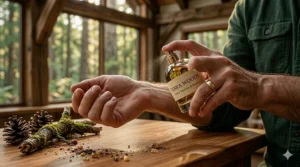
Don’t rub wrists together after spraying—this crushes fragrance molecules and reduces longevity. Just spray and let it dry naturally. Don’t spray directly on clothes from close range; the alcohol can stain. Spray from 6-8 inches away, or spray in the air and walk through the mist if you’re paranoid about fabric damage. Pulse points (wrists, neck, behind ears) work because body heat helps fragrance develop—but don’t overdo it. One spray per pulse point maximum; two total sprays is usually sufficient for woody perfumes since they have good staying power.
The bottom line: proper storage adds years to your bottles. Treat them like wine, not like medicine cabinet clutter, and they’ll reward you with consistent performance long-term.
FAQ: Your Earthy Woody Perfume Questions Answered
❓ What is the difference between earthy and woody perfume notes?
❓ How long does earthy woody perfume typically last on skin?
❓ Can men wear earthy woody perfume marketed toward women?
❓ Which earthy woody perfume works best for office environments?
❓ Are natural earthy woody perfumes better than synthetic ones?
Conclusion: Finding Your Signature Earthy Woody Perfume
After testing dozens of options across every price point and style, here’s what I’ve learned: the best earthy woody perfume isn’t about finding the most expensive bottle or following fragrance influencer trends. It’s about matching a scent to your actual life—how you dress, where you work, what makes you feel grounded and confident.
If you’re ready to invest in quality and want something that signals sophistication, Tom Ford Oud Wood remains the gold standard that justifies its premium price through pure performance and presence. For those who want niche credibility without quite that level of investment, Le Labo Santal 33 delivers instantly recognizable style that works across almost any context. Byredo Gypsy Water suits the free spirit who prioritizes vibe over longevity, while Diptyque Tam Dao offers the most accessible entry point into legitimate luxury woody fragrances.
And if you’re just starting your woody fragrance journey or prioritize clean beauty credentials, Pacifica Dream Moon proves you don’t need a trust fund to smell grounded and intentional. What matters most is wearing something that feels like an extension of who you are rather than a costume you’re putting on. Start with one bottle that speaks to your lifestyle and budget. Wear it consistently for a month. Notice how it interacts with your body chemistry, your wardrobe, your daily routines. Then, and only then, consider expanding your collection.
The fragrance you’ll wear most isn’t always the one that smells best in the store—it’s the one that makes you feel most like yourself, just amplified. Whether that’s a $300 oud masterpiece or a $20 patchouli roller, the right choice is the one you’ll actually spray every morning without overthinking it.
Recommended for You
- 7 Best Affordable Chypre Perfume Options Under $100 (2026 Guide)
- 7 Best Chypre Fragrance That Transform Your Presence (2026)
- 7 Best Oakmoss Perfumes That Transform Your Scent Game (2026 Guide)
Disclaimer: This article contains affiliate links. As an Amazon Associate, I earn from qualifying purchases. If you purchase products through these links, we may earn a small commission at no additional cost to you.
✨ Found this helpful? Share it with your friends! 💬🤗
